1986
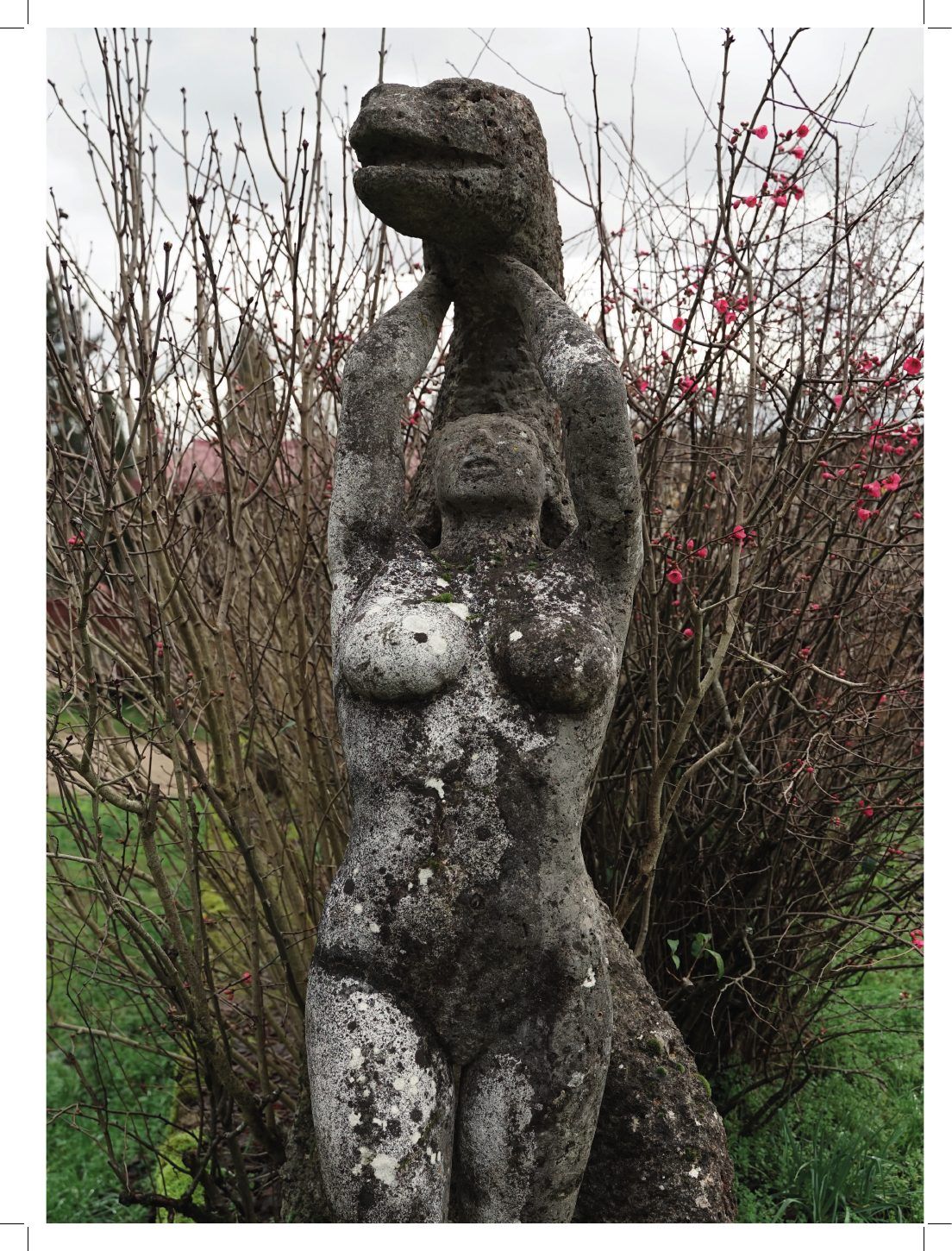
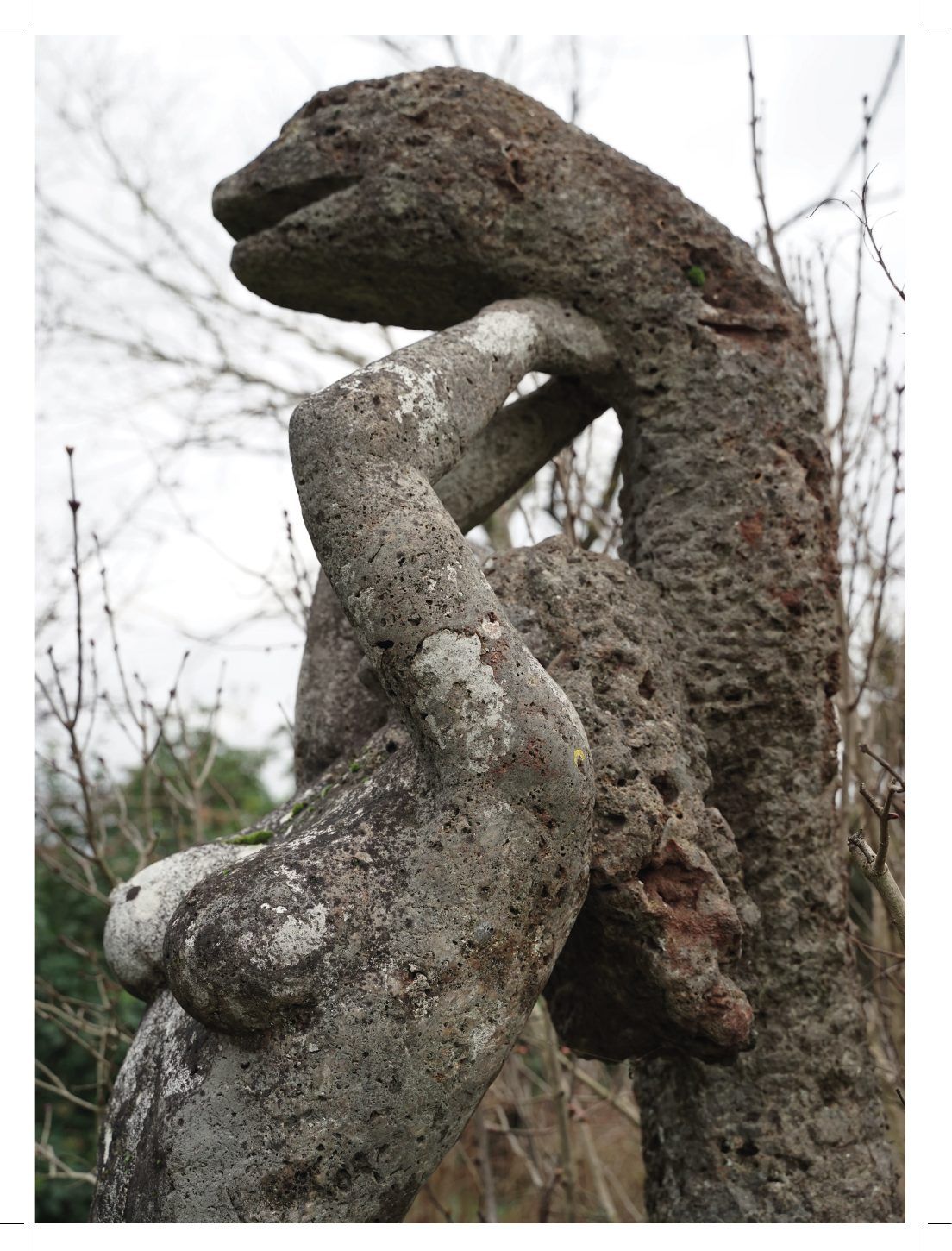
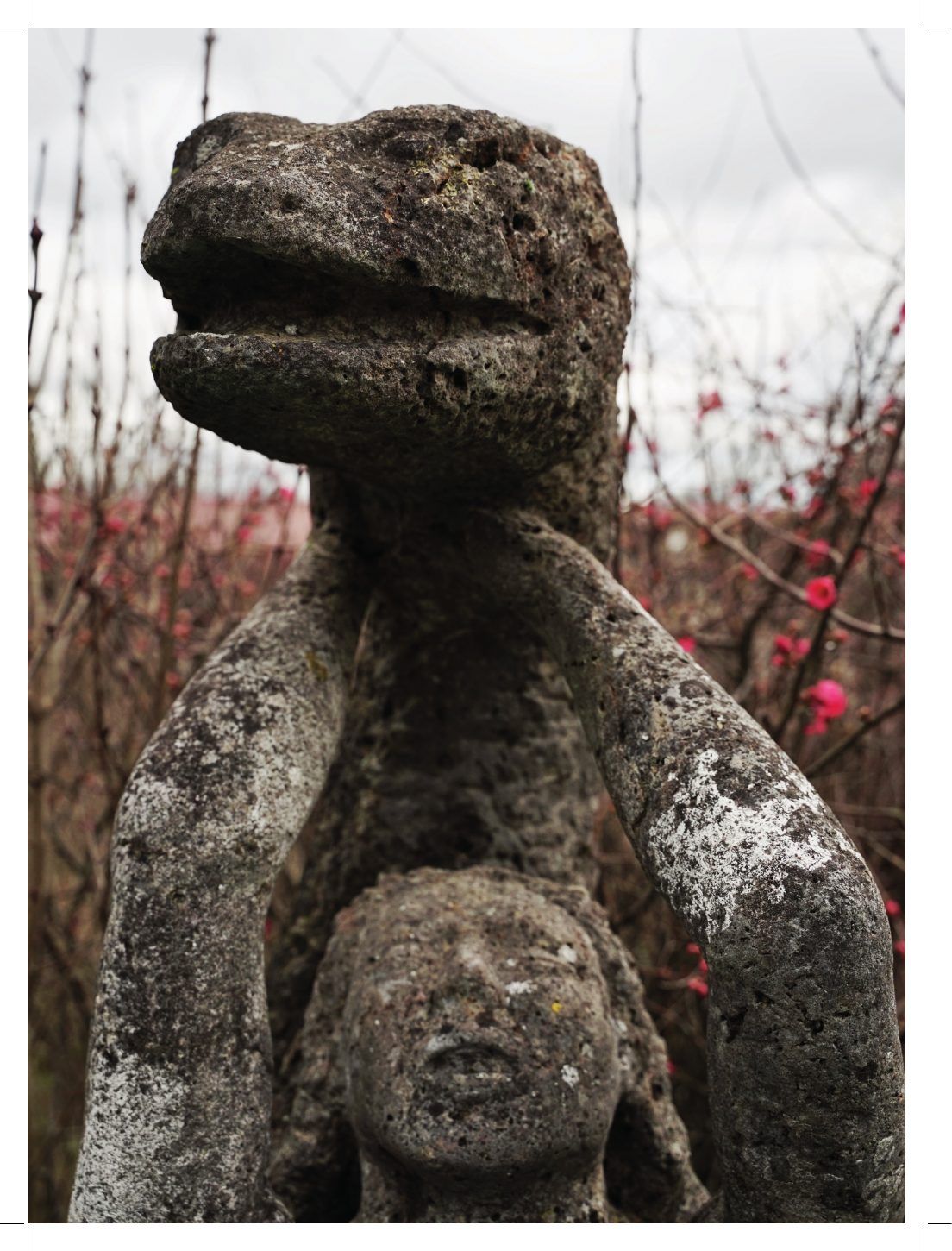
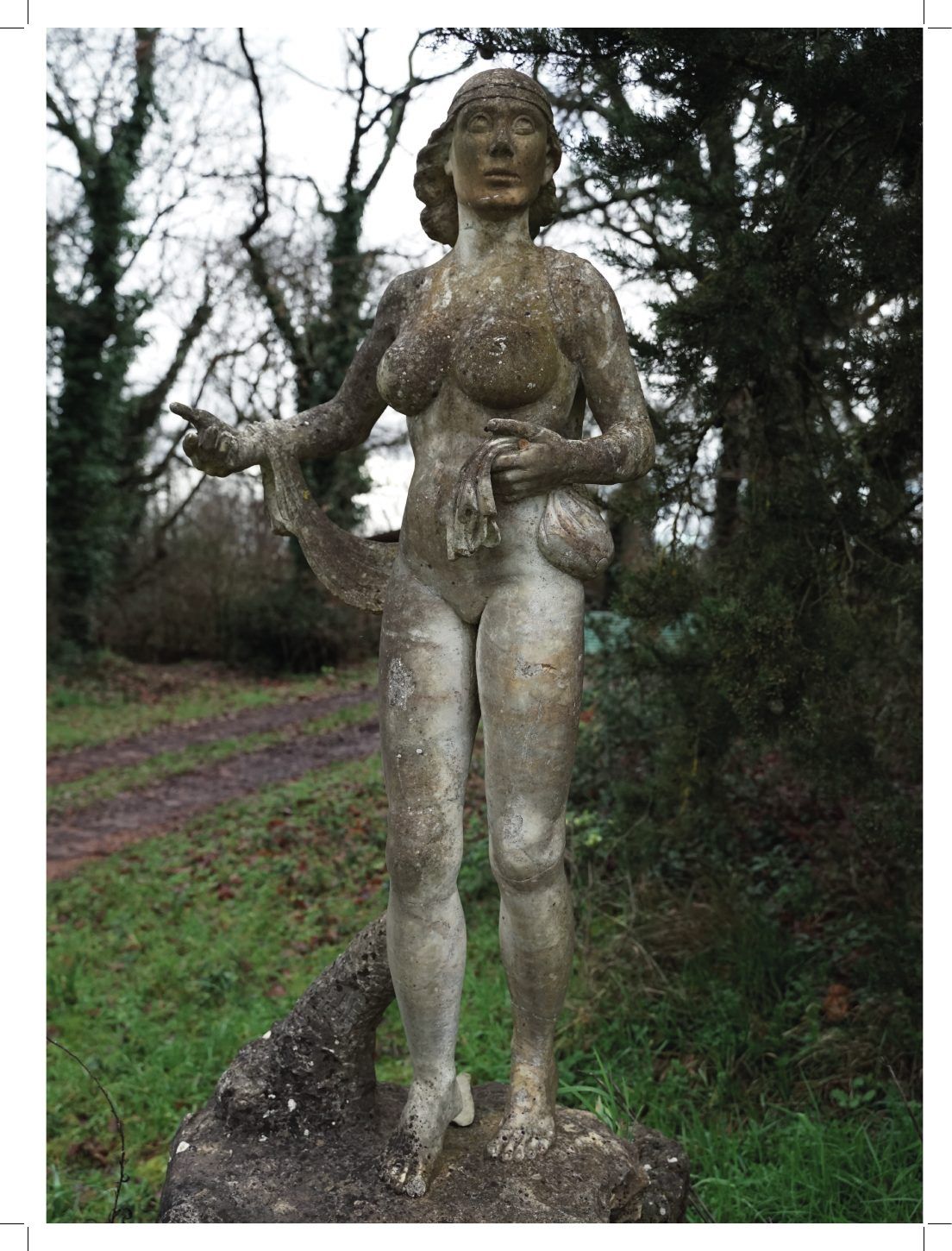
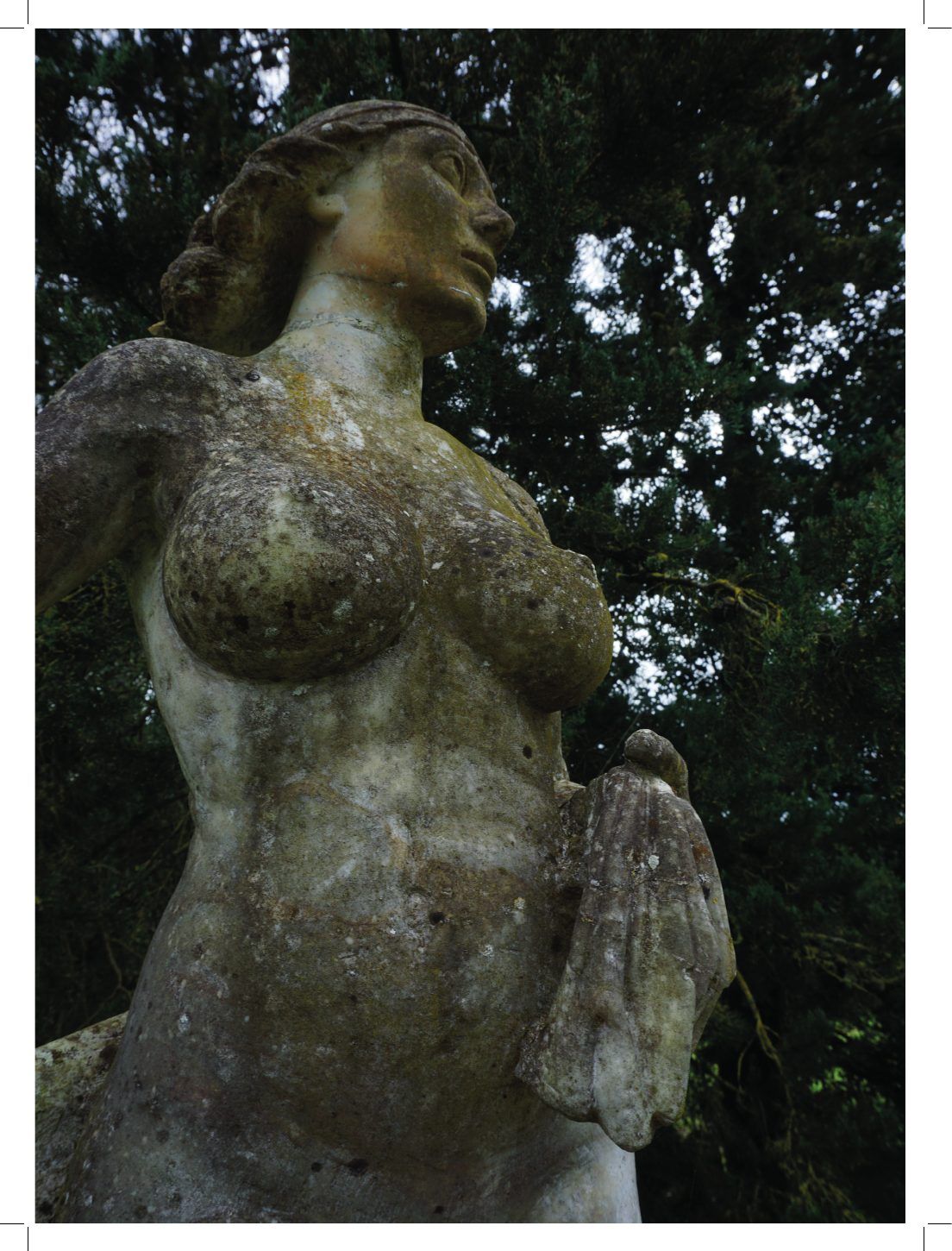
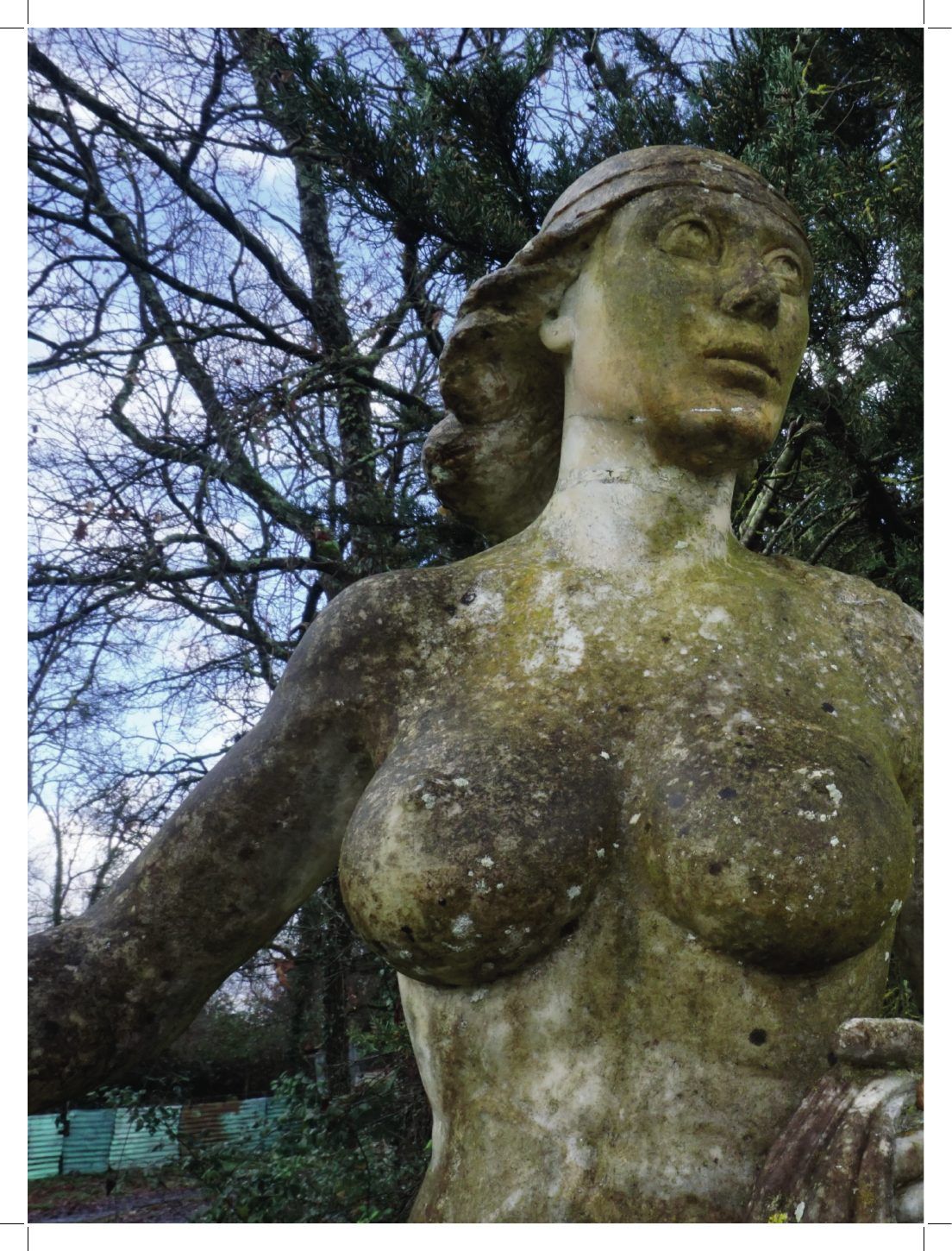
Woman and Serpent
Lava stoneLava stone worn away by lichens and the slow action of the weather. Moss and lichens compete for the surface where it is most exposed to damp.
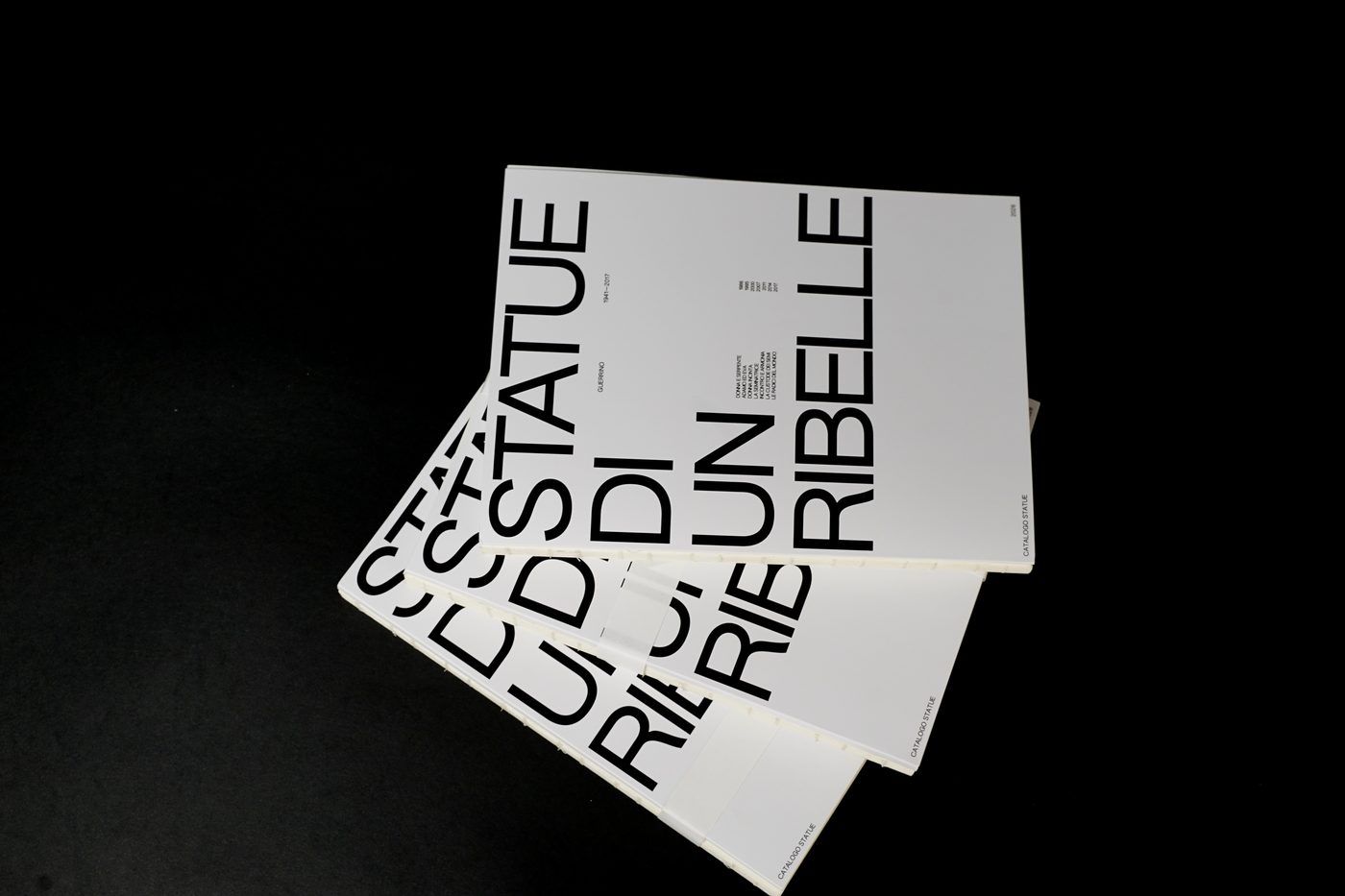
Jünger’s The Forest Passage reread through Guerrino and the Bagnaia commune, with a catalogue of his statues.
International Graphic Design Biennale, Milan 2026
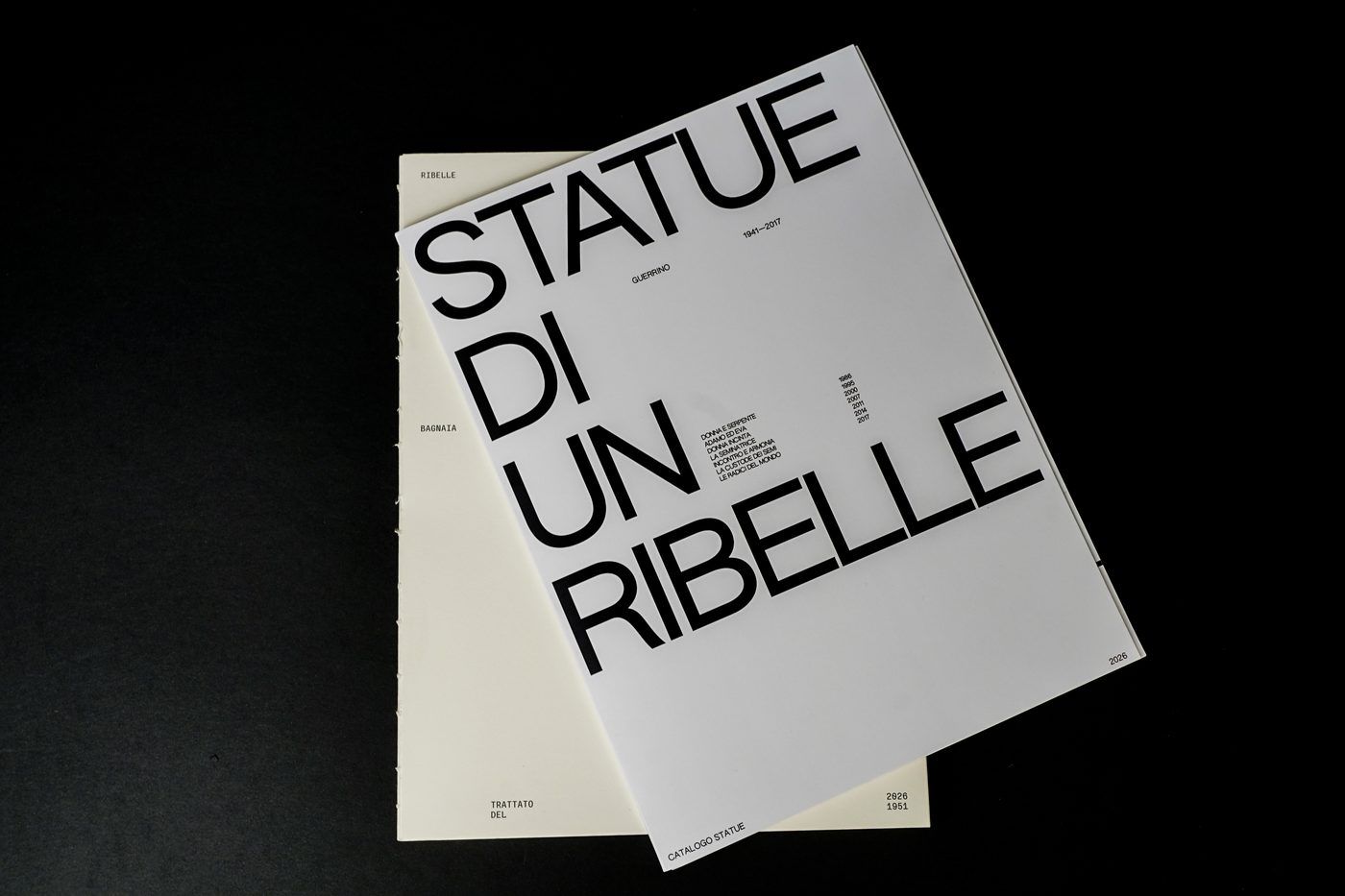
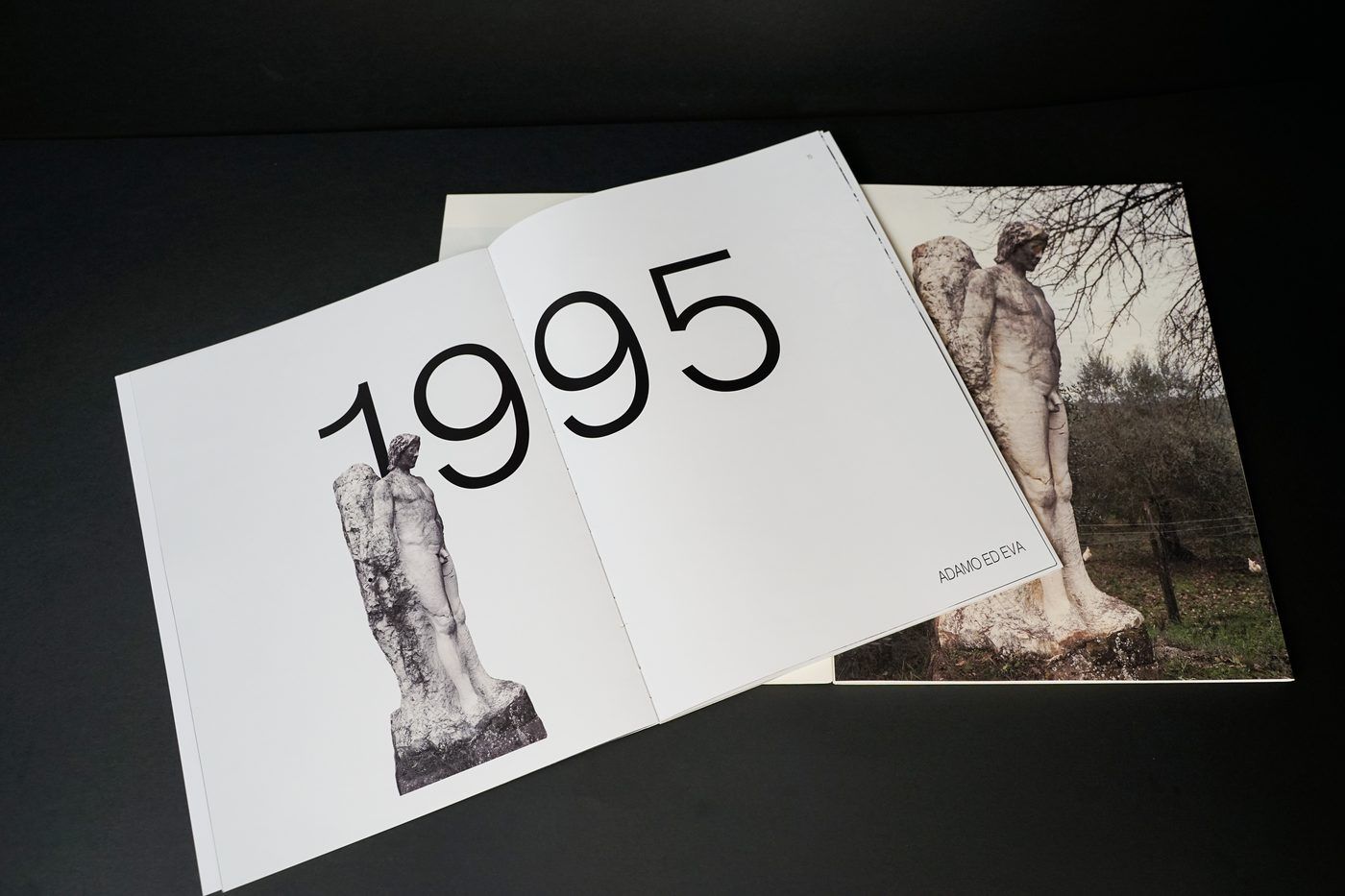
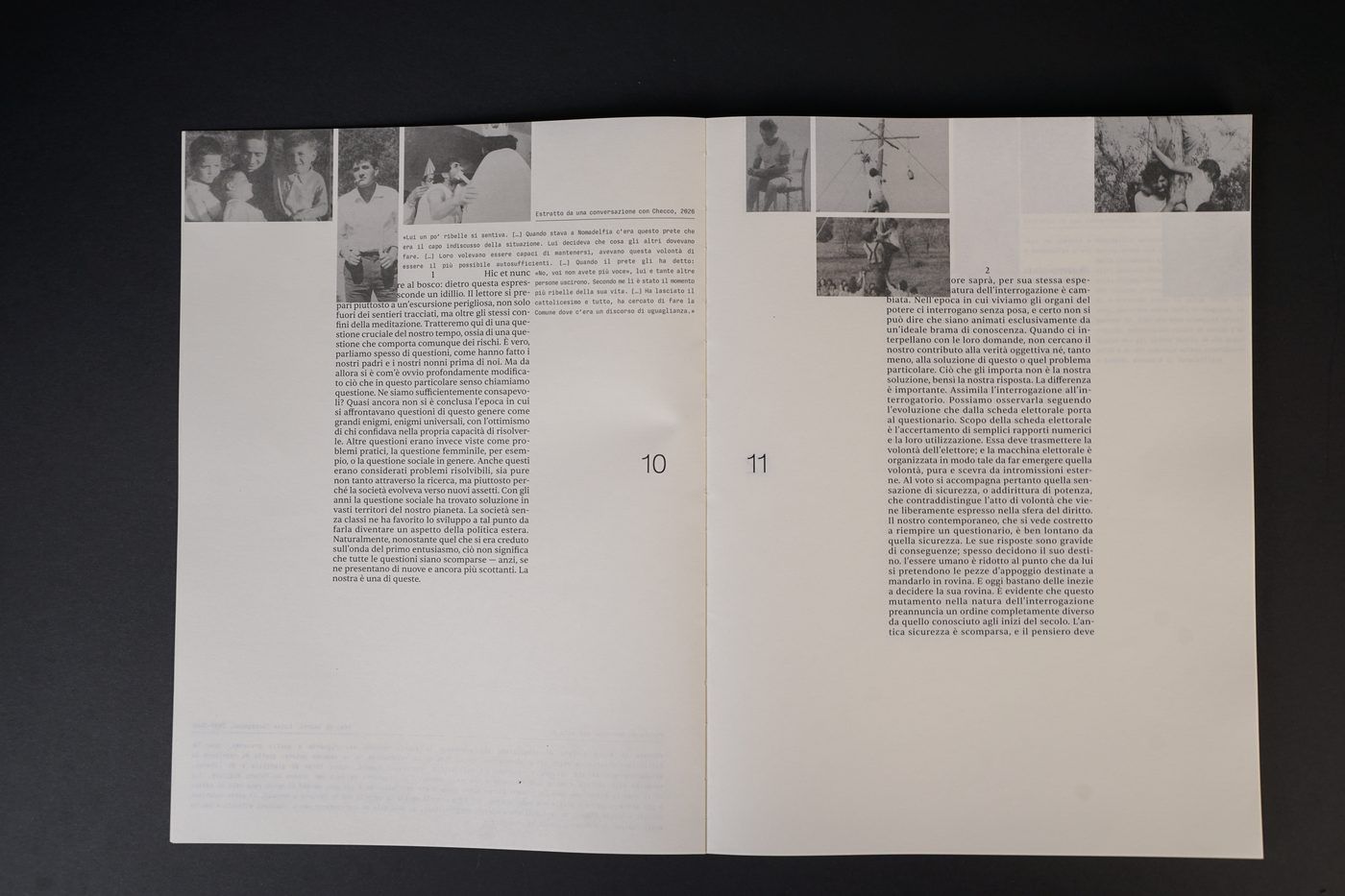
An editorial project for the Visual Communication II course: the brief asked us to reinterpret a treatise of radical philosophy in a contemporary way. We chose Ernst Jünger’s The Forest Passage (Der Waldgang), a 1951 text that theorises a silent, individual resistance to power.
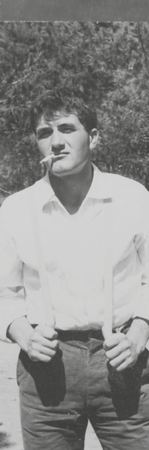
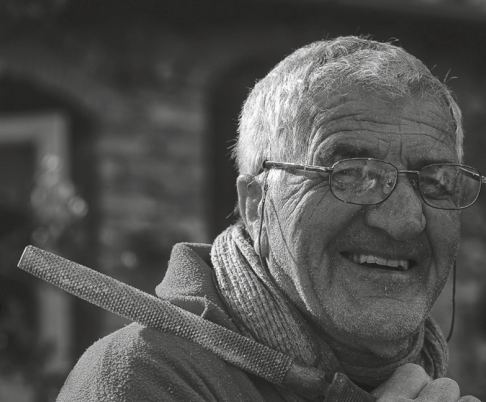
To give this figure a concrete face we looked for a real parallel in the communes of the 1970s, in particular the Bagnaia commune in the countryside near Siena, and in the figure of Guerrino: not a leader in a hierarchical sense, but a man who embodies Jünger’s rebel precisely. Guerrino died in 2017, leaving a series of statues scattered across the commune’s land.
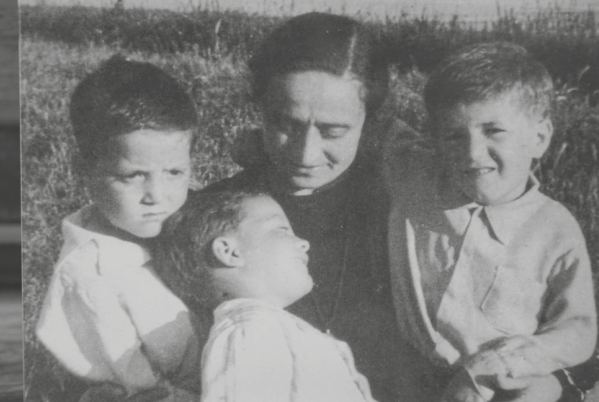
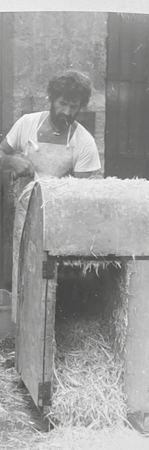
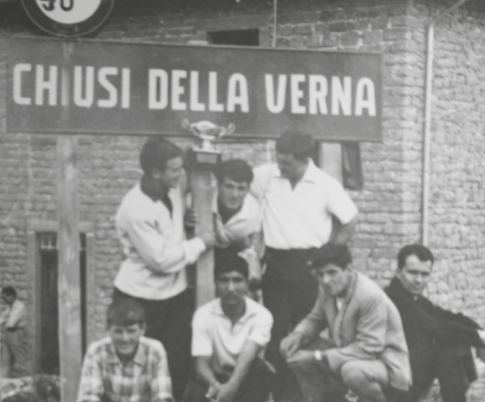
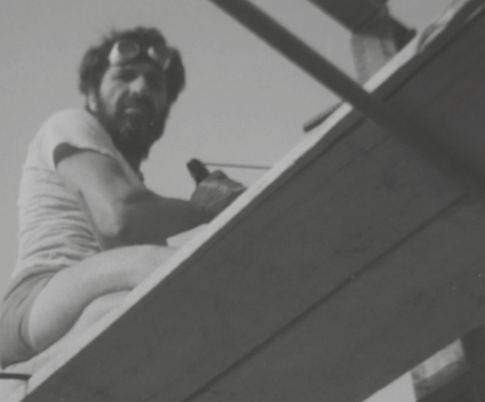
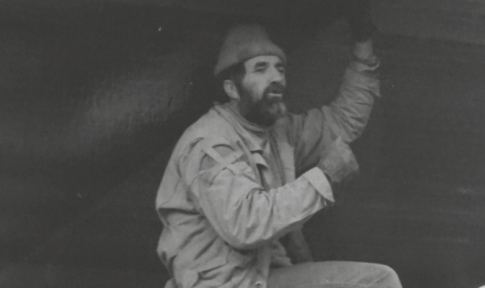
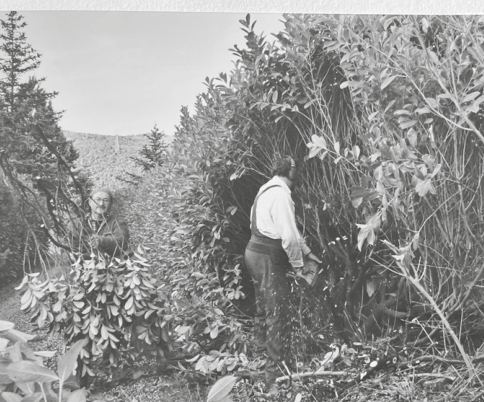
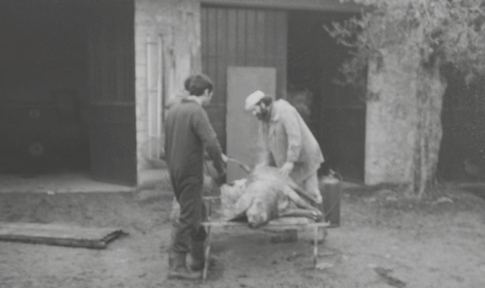
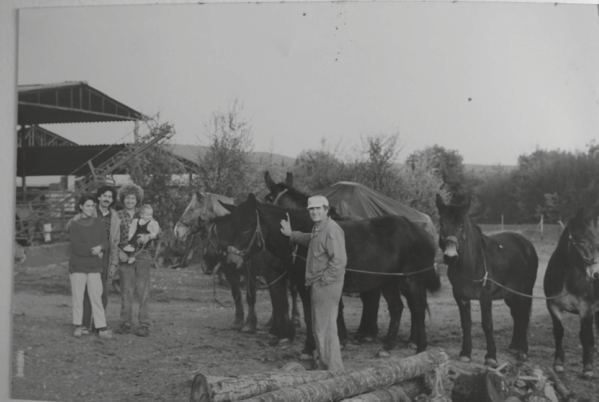
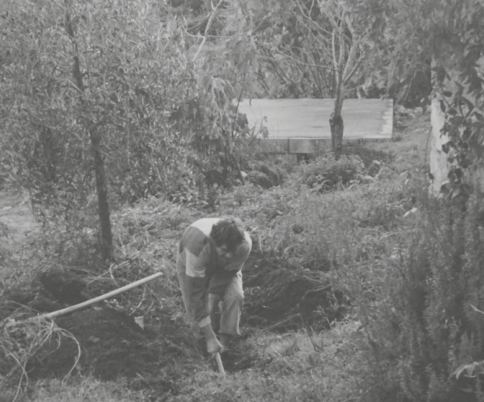
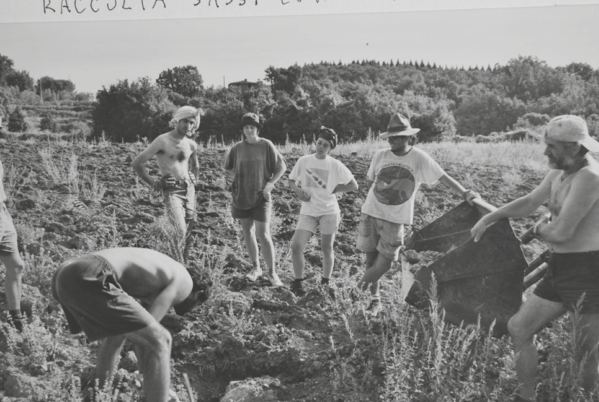
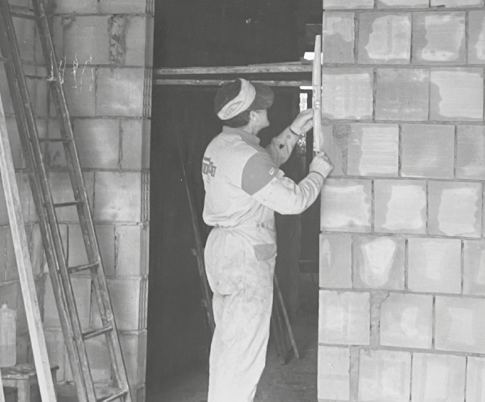
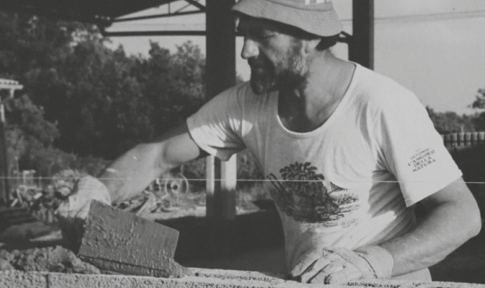
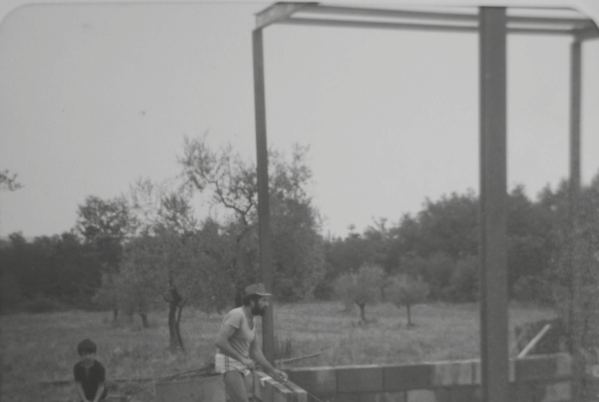
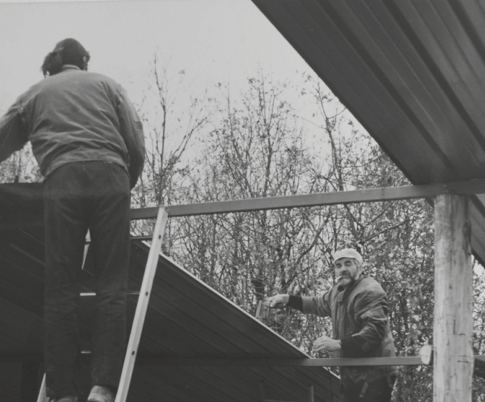
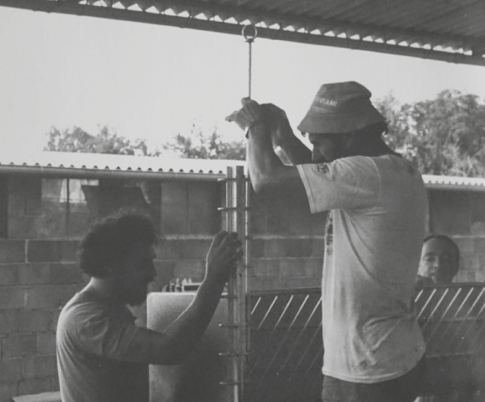
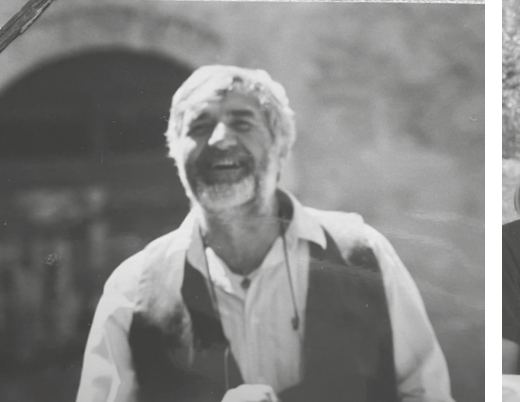
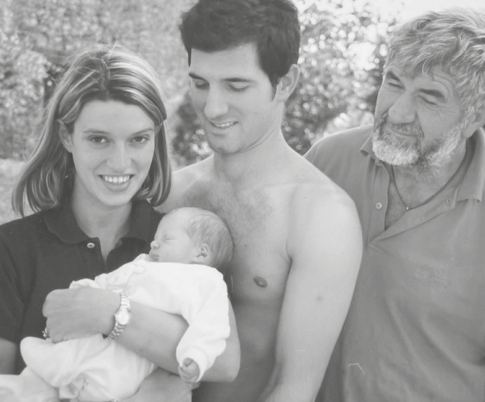
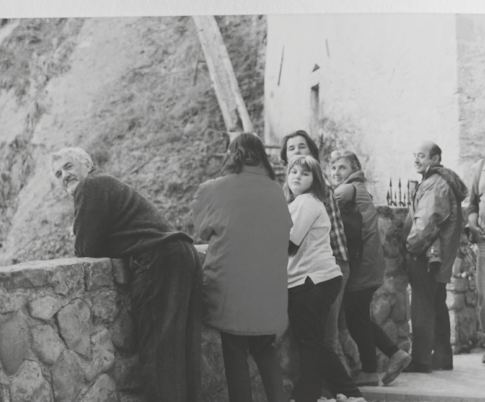
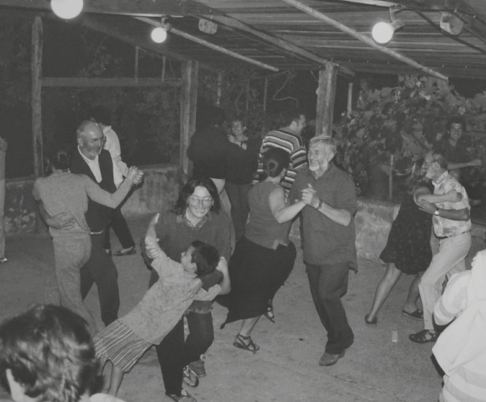
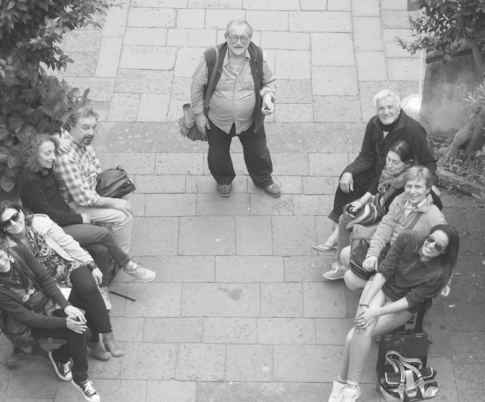
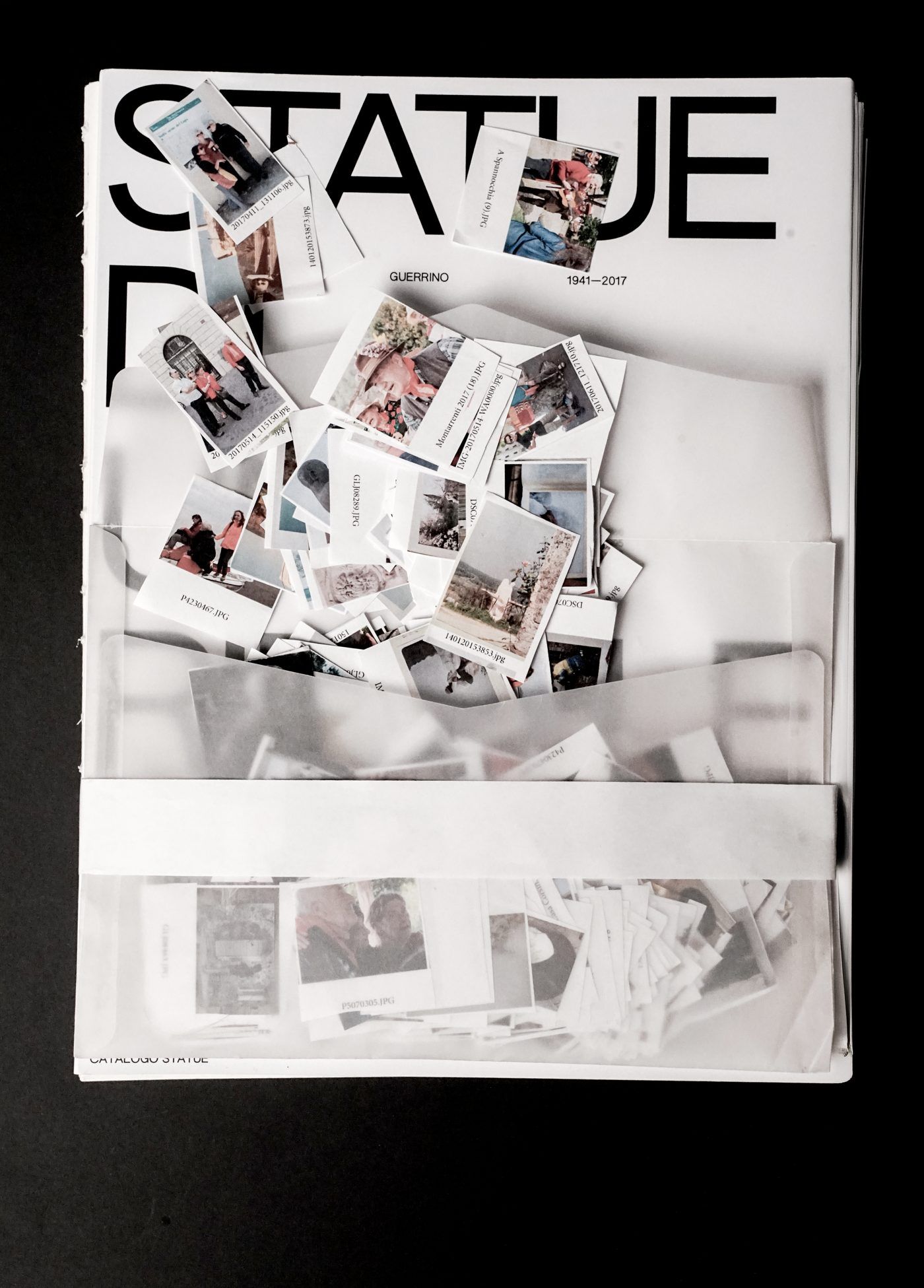
Since we could not interview him, we rebuilt his figure through the stories of Lucia and Checco, long-standing members of the community, and through the commune’s photo archive. Alongside the book, a catalogue of his statues, which we photographed ourselves.
The project was exhibited at the International Graphic Design Biennale in Milan, 2026.
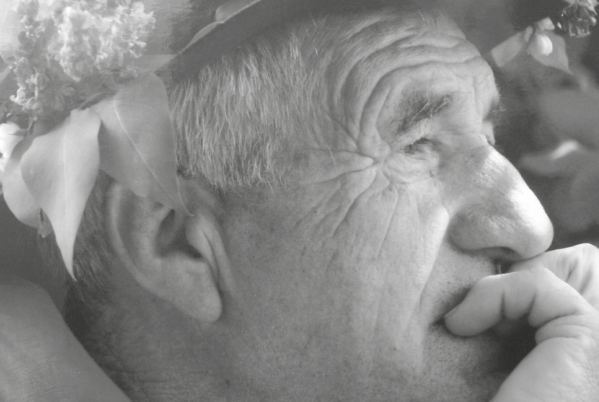
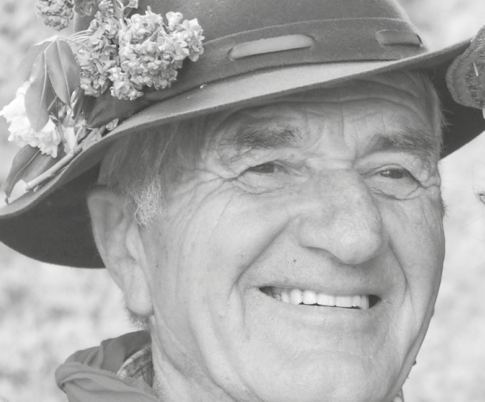
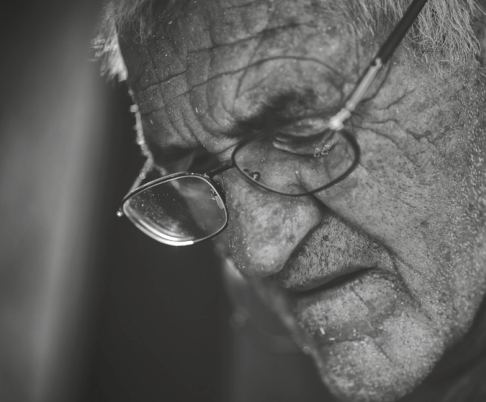
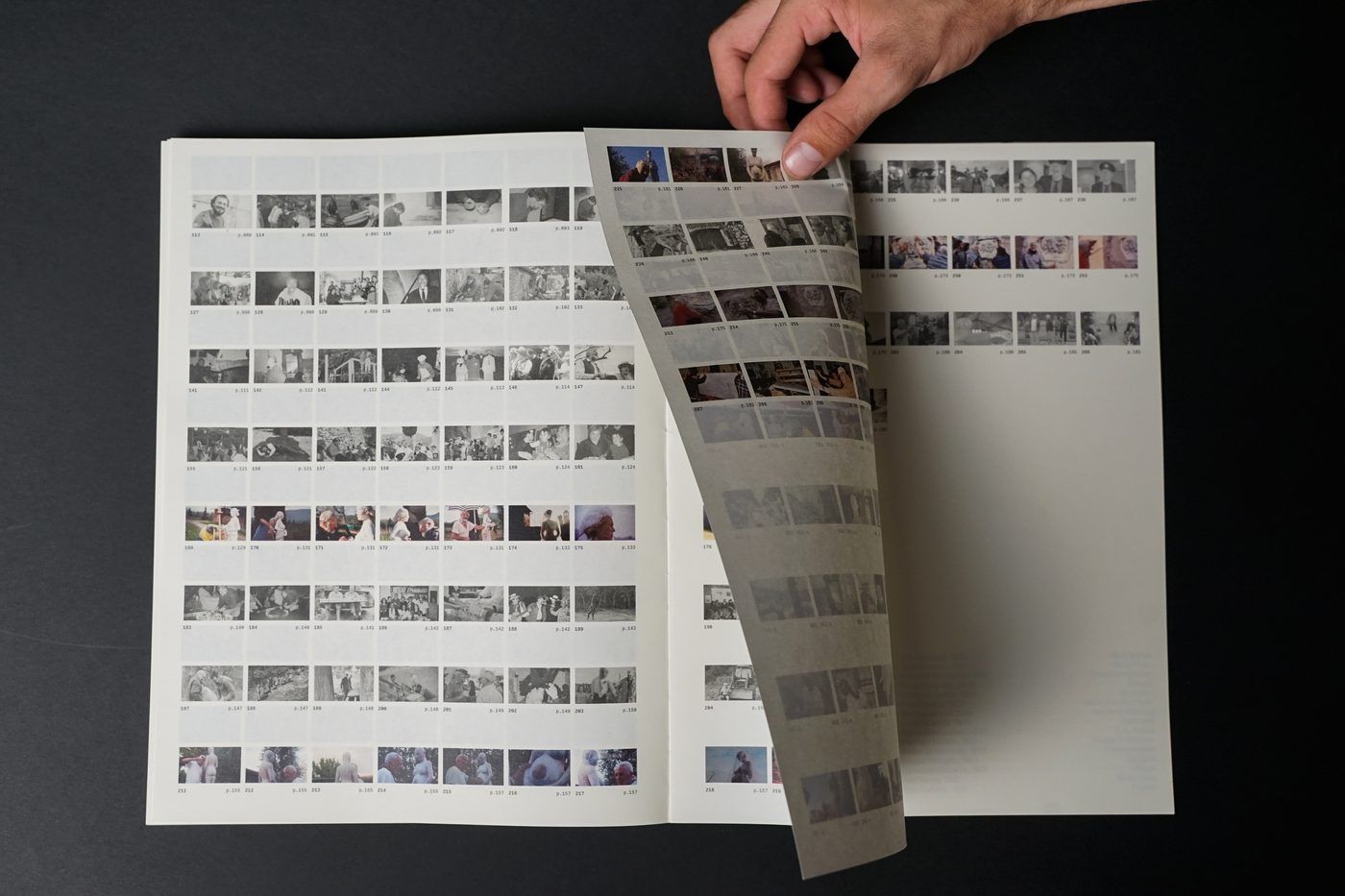
In the book the timeline runs along the top of the pages: 176 photographs from the commune’s archive, cropped and ordered as they appear in the book. Drag to scroll it, click a photo to enlarge it.
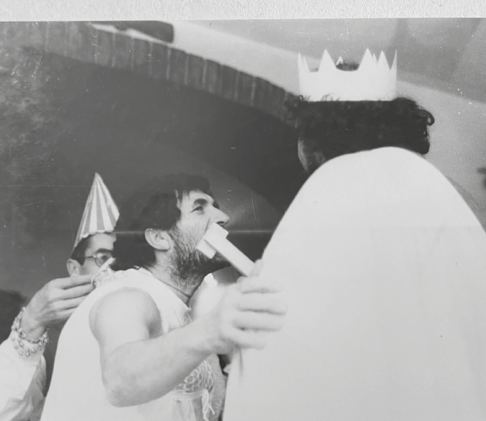
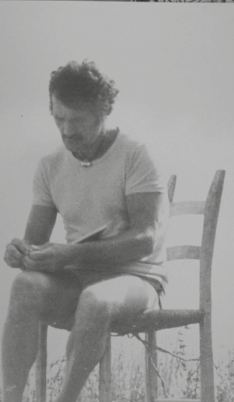
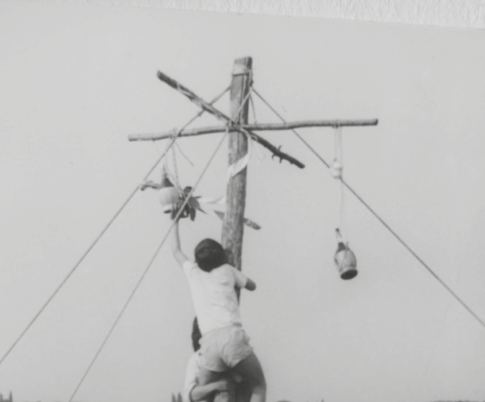
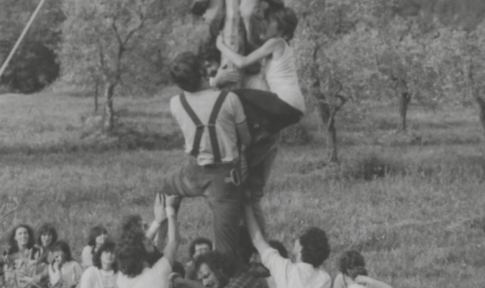
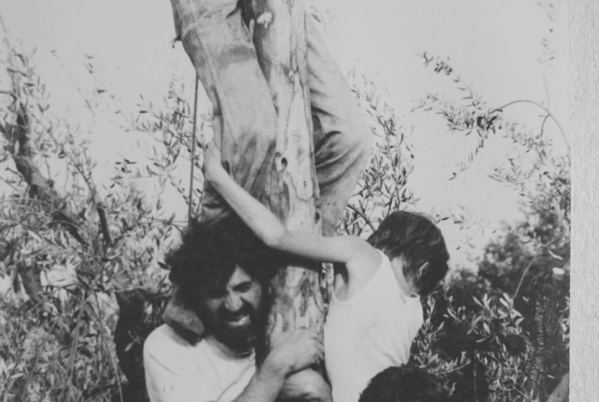
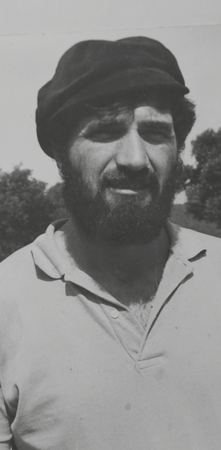
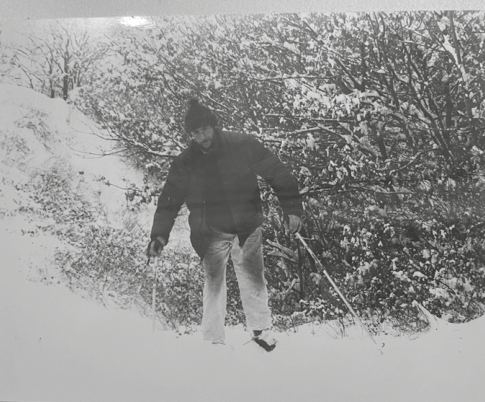
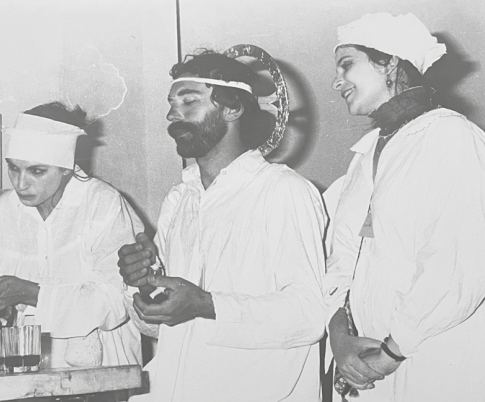
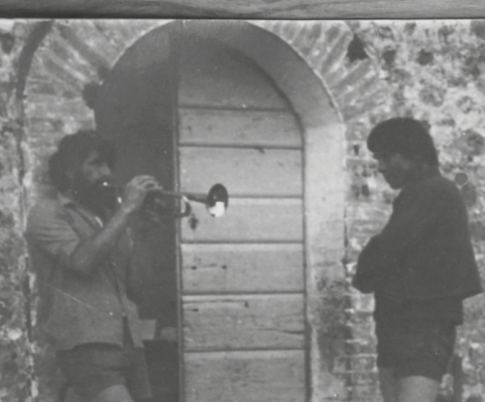
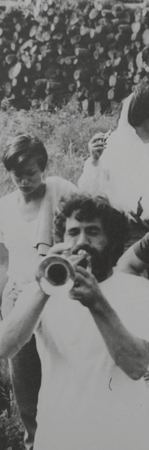
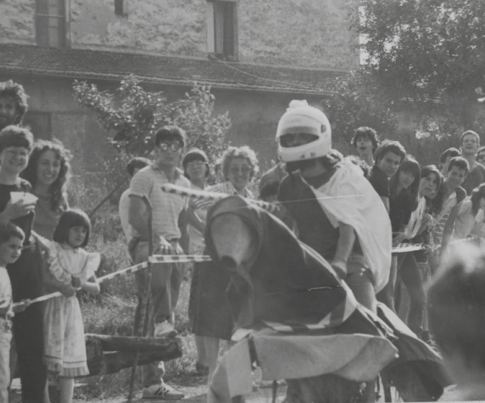
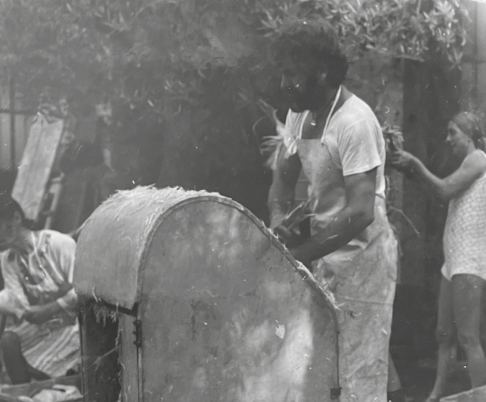
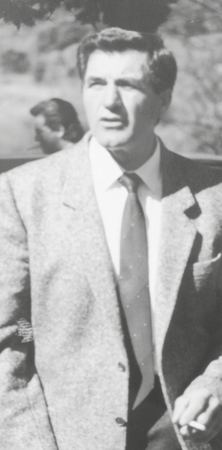
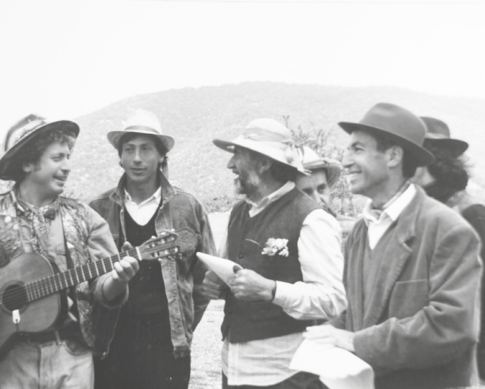
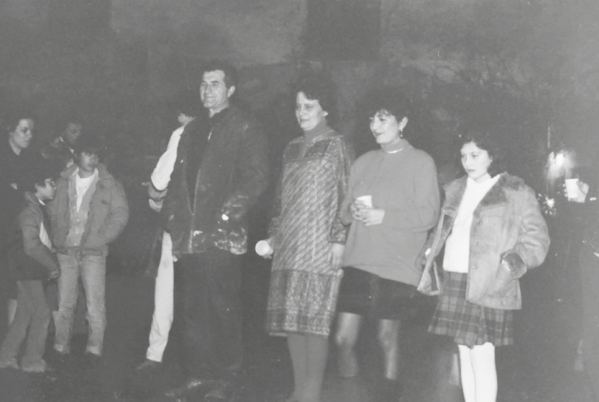
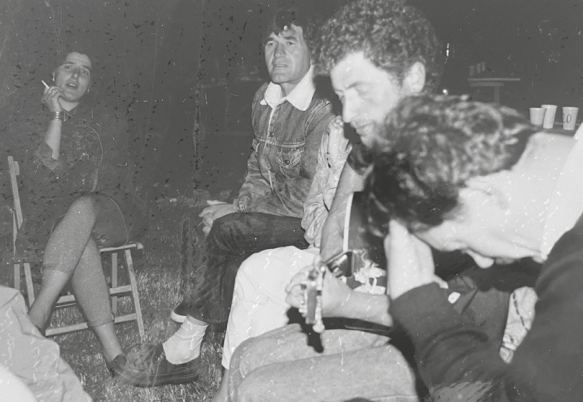
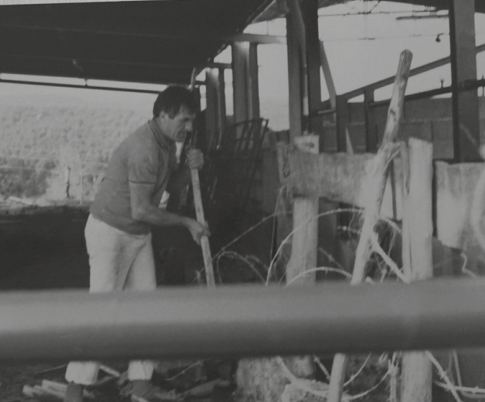
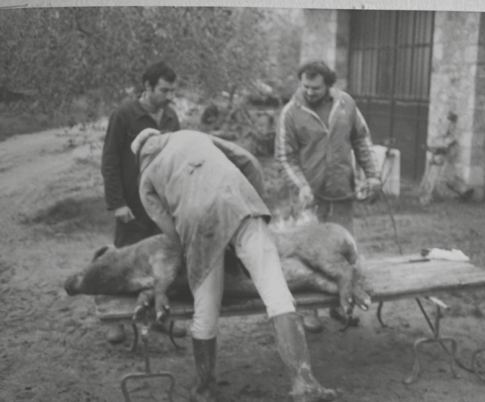
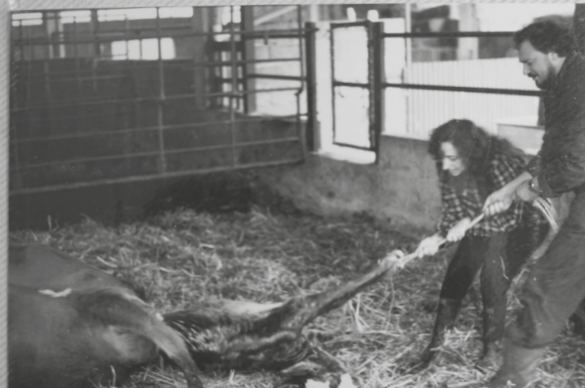
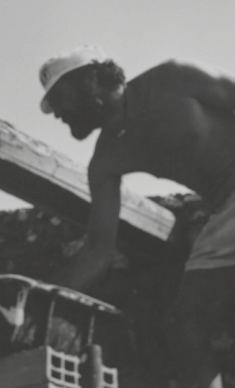
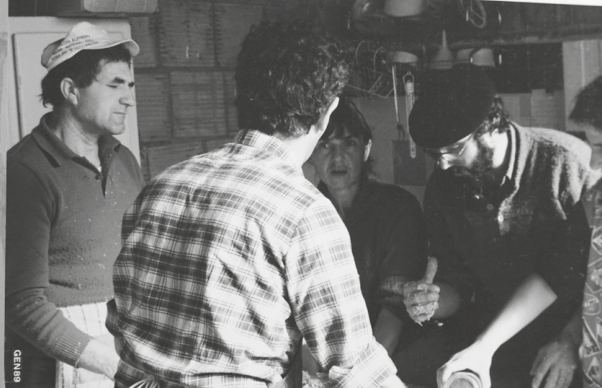
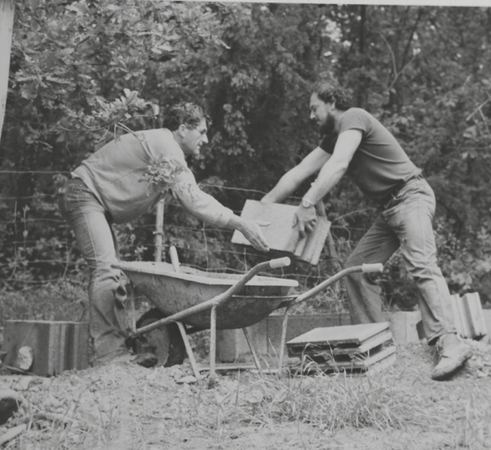
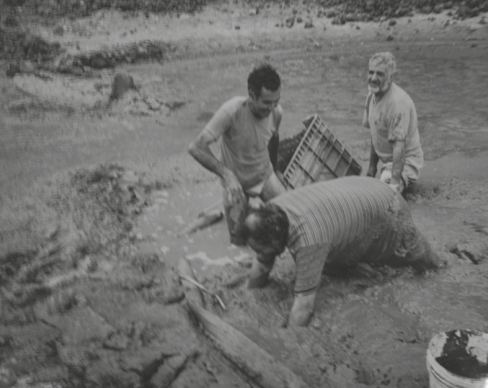
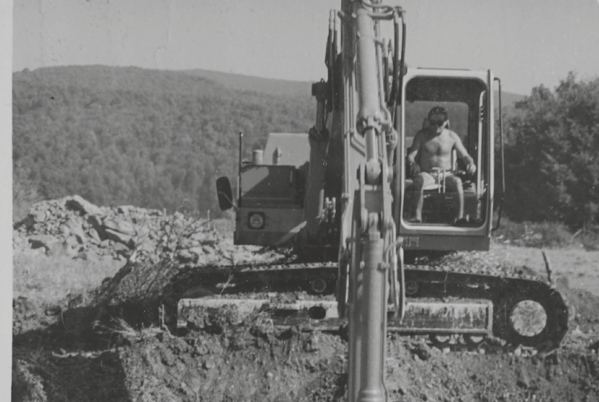
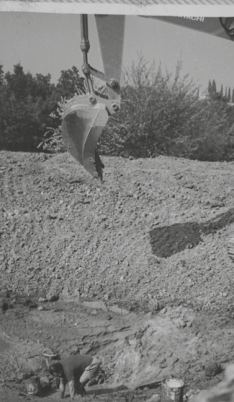
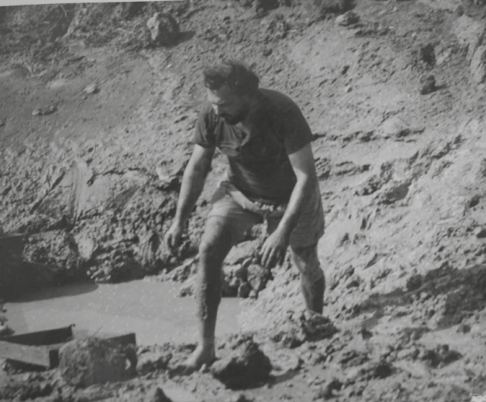
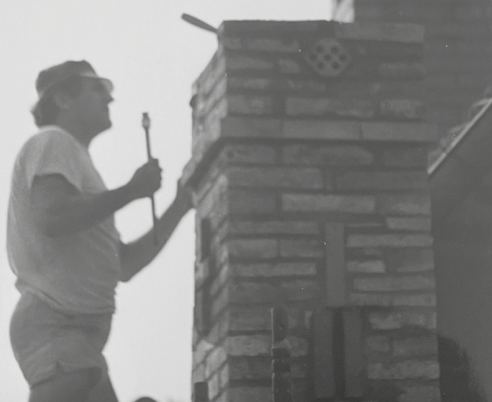
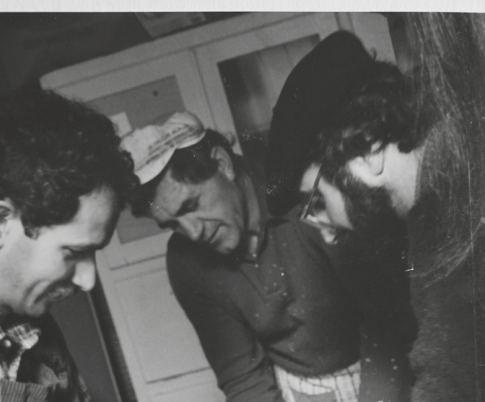
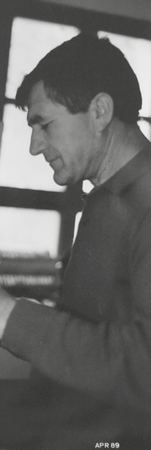
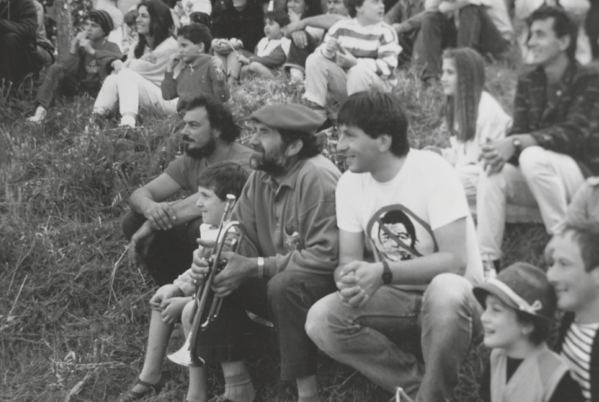
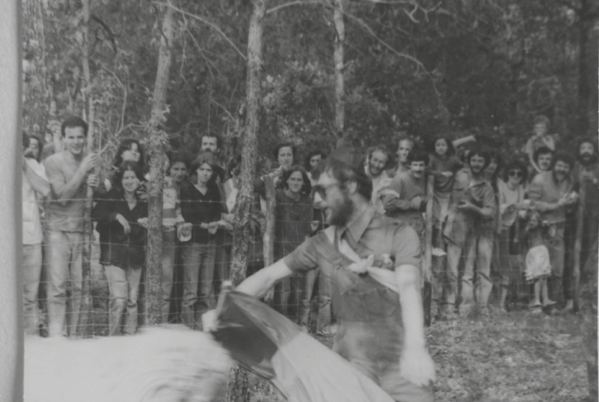
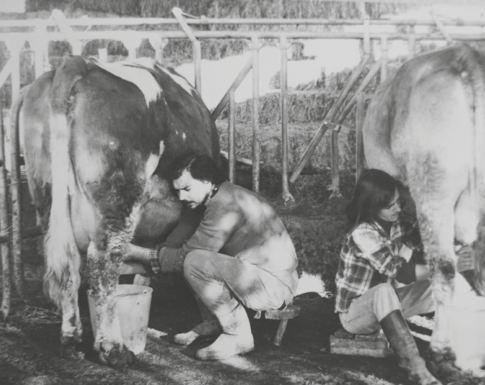
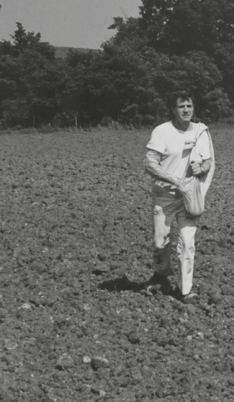
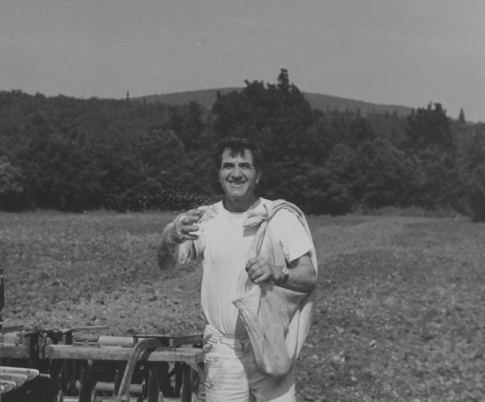
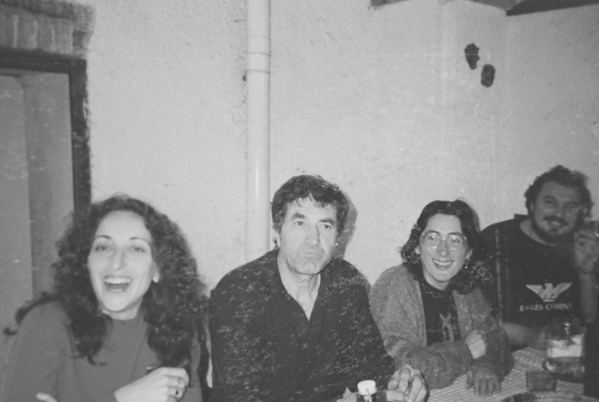
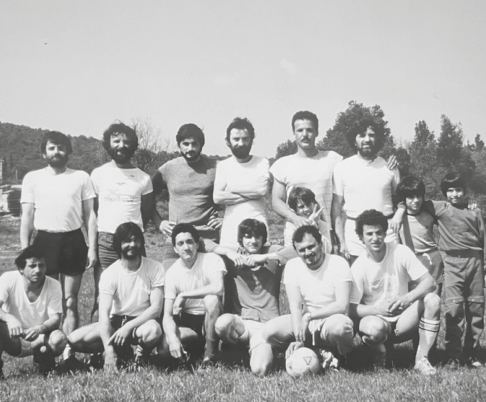
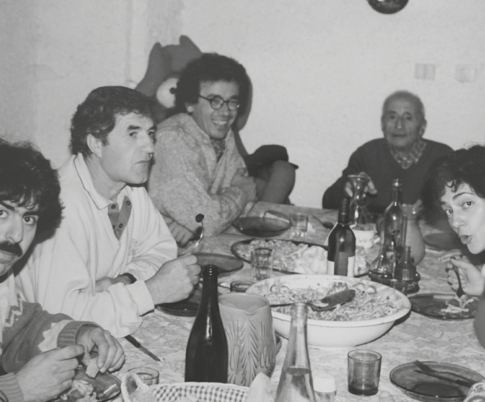
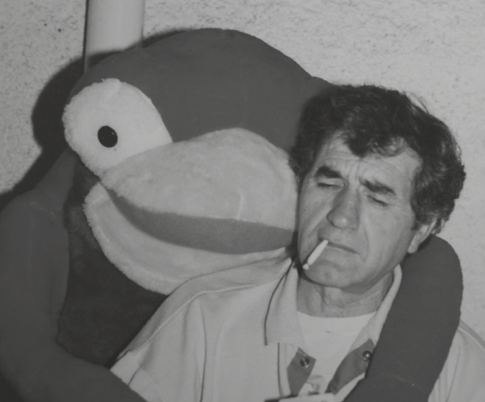
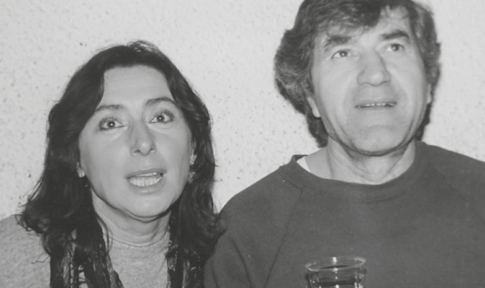
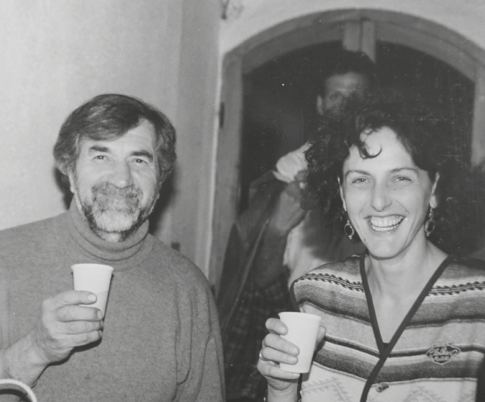
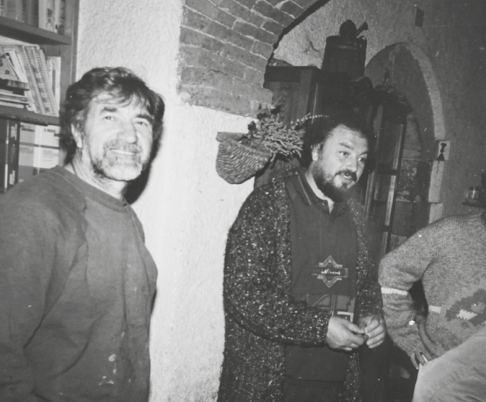
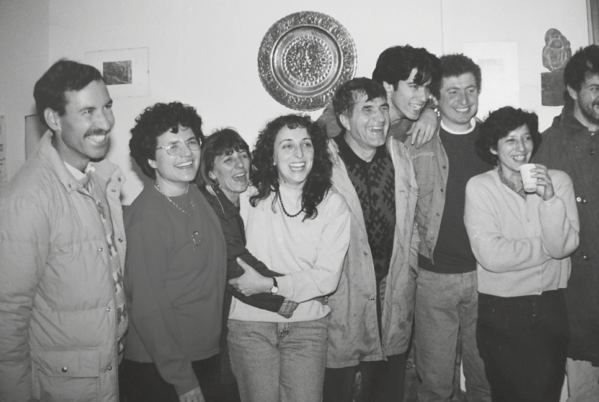
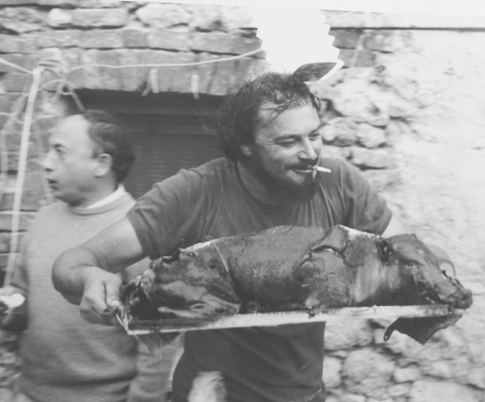
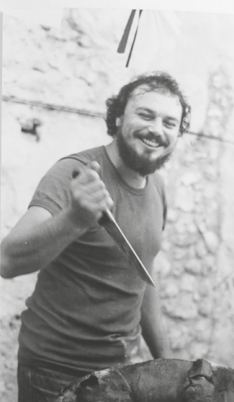
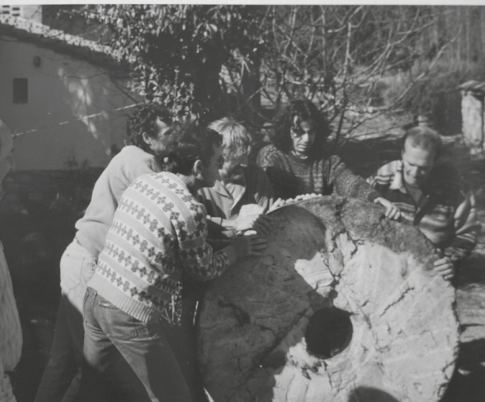
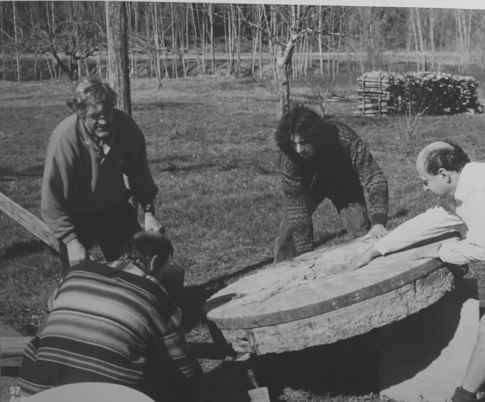
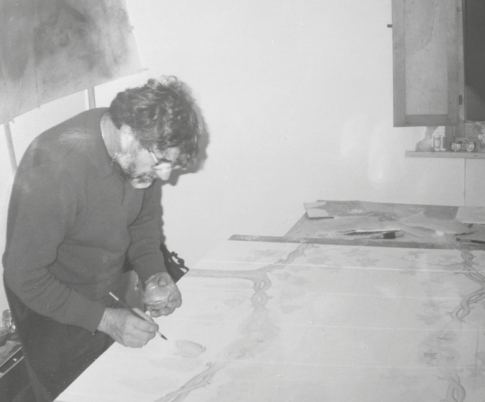
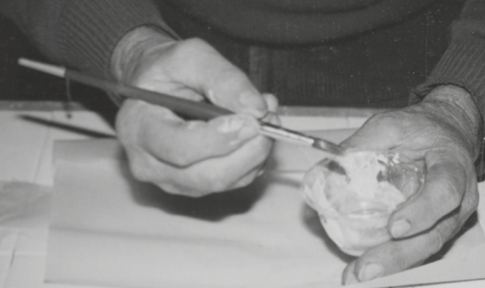
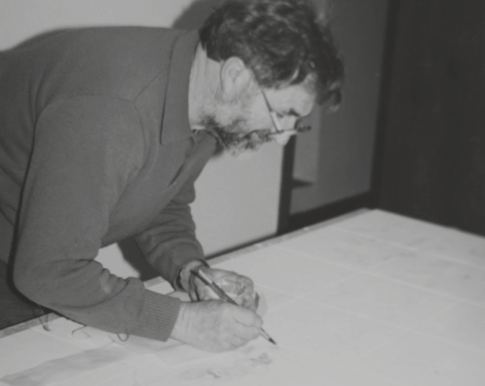
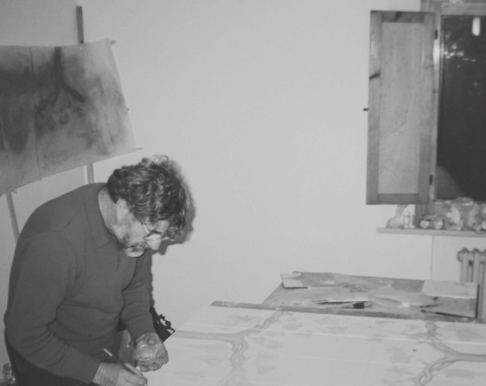
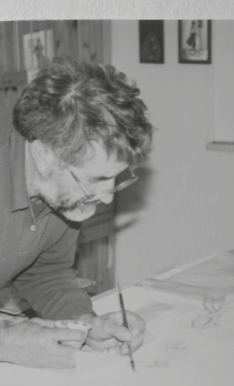
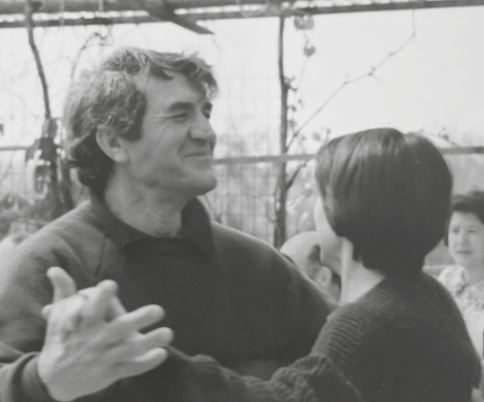
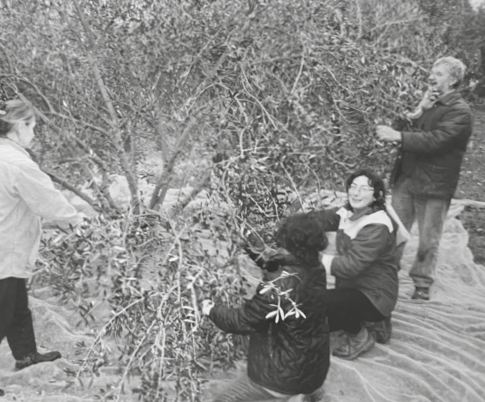
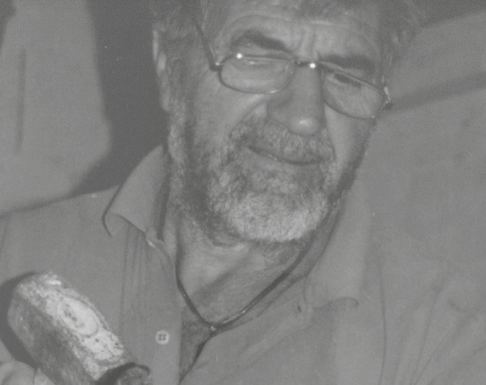
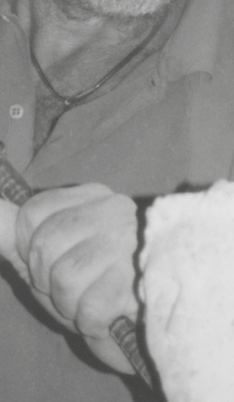
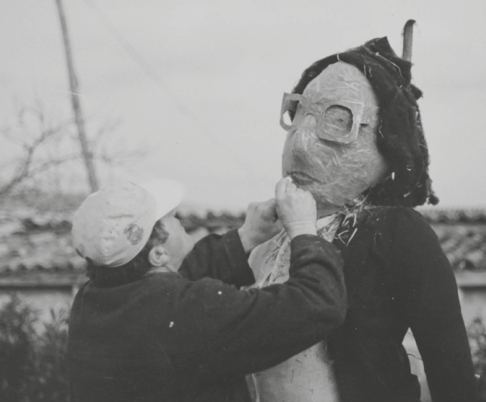
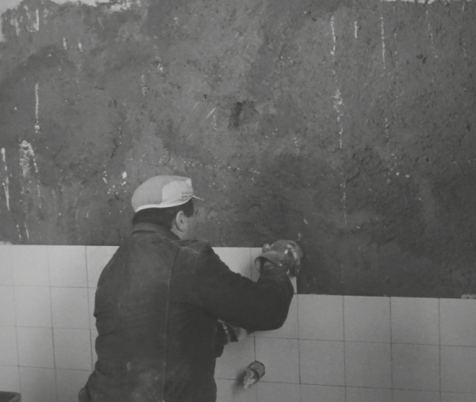
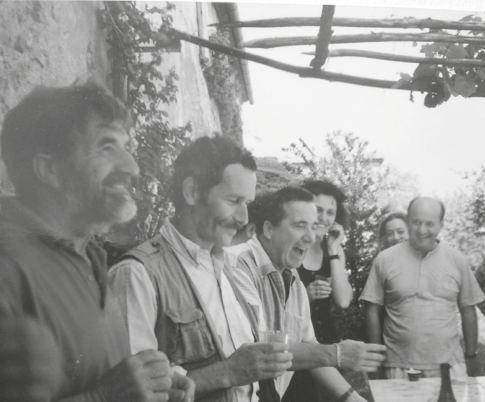
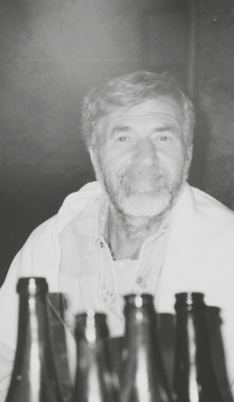
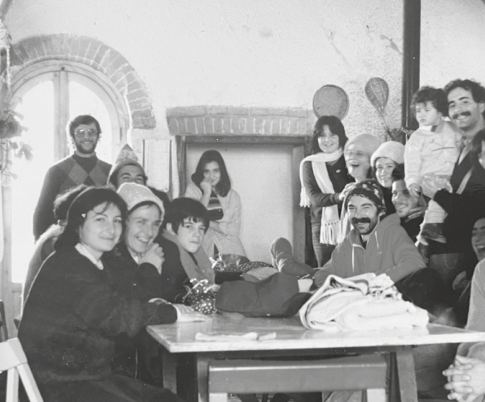
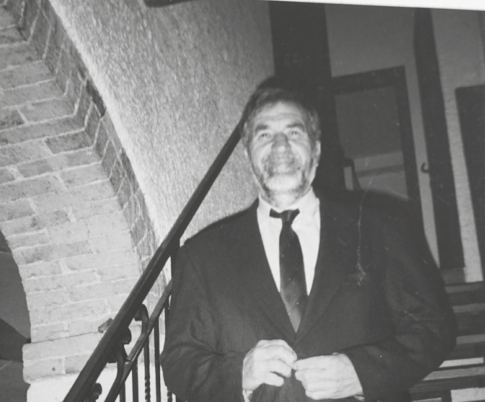
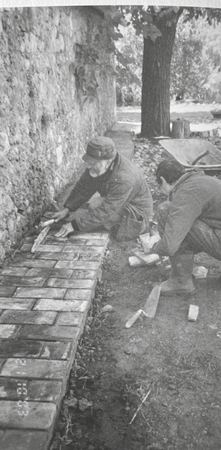
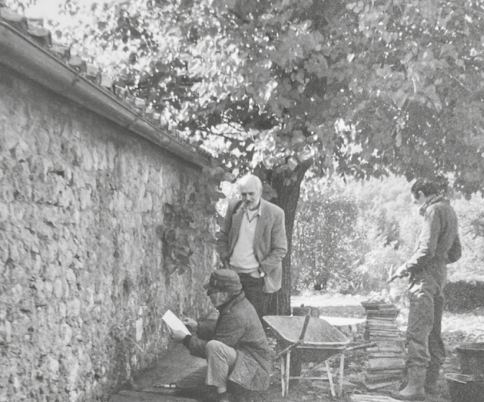
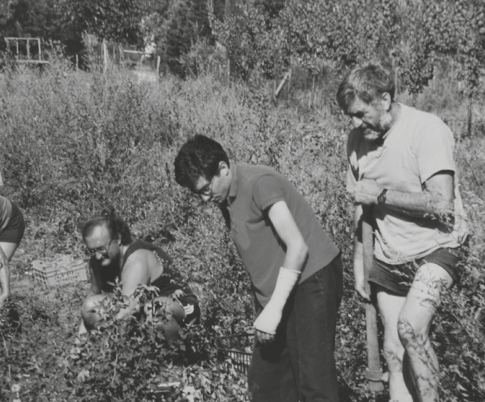
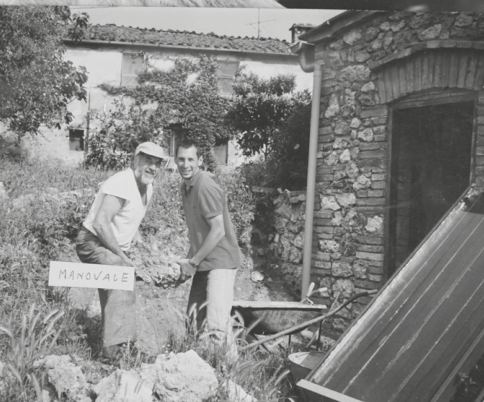
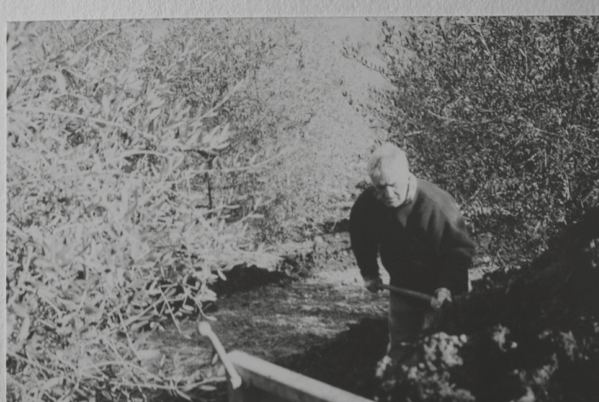
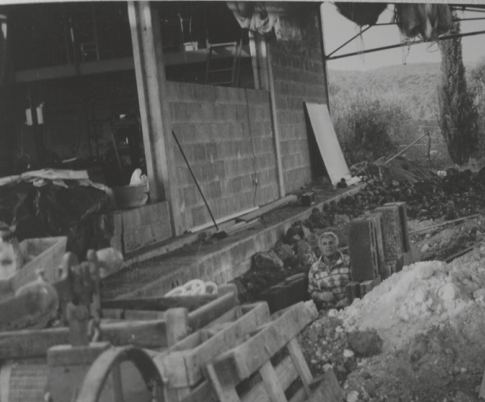
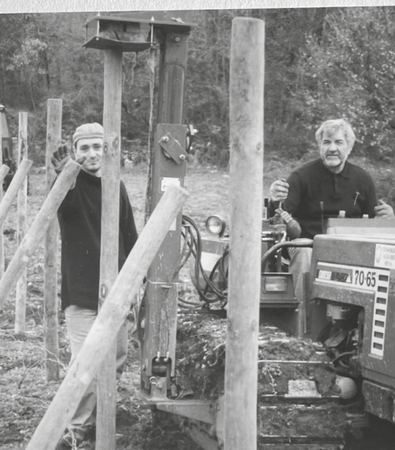
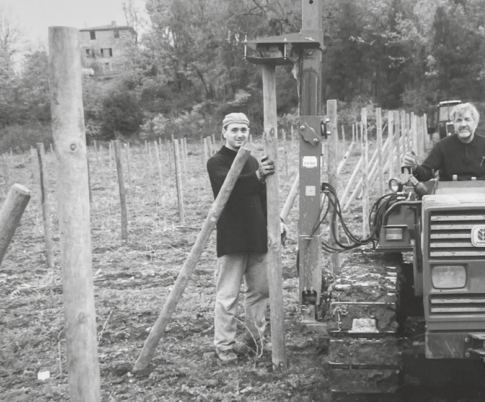
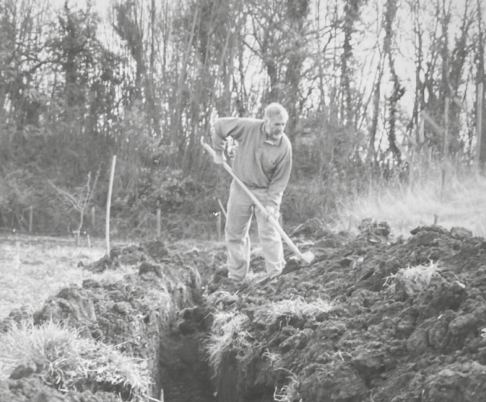
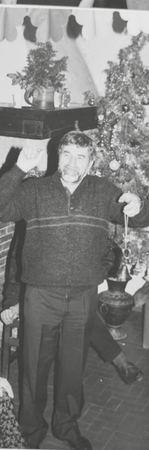
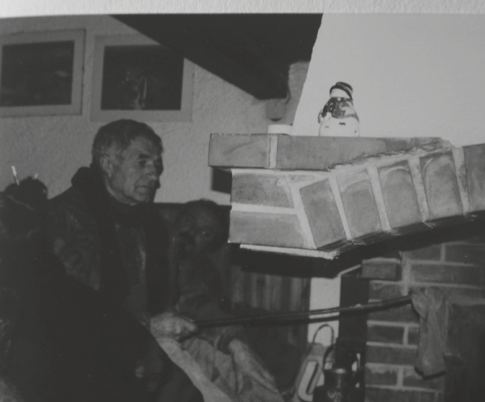
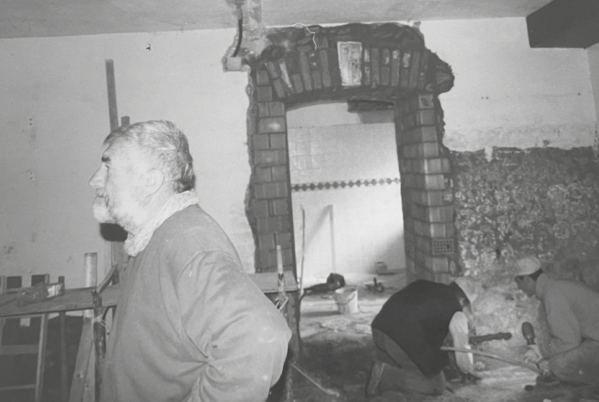
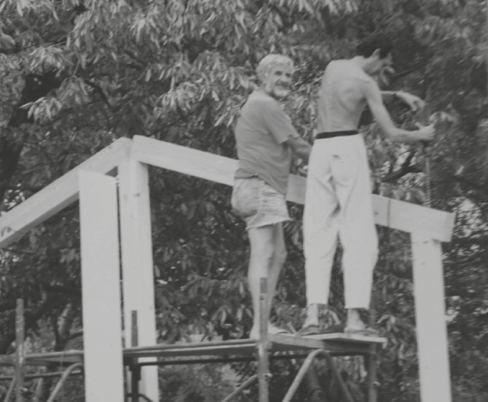
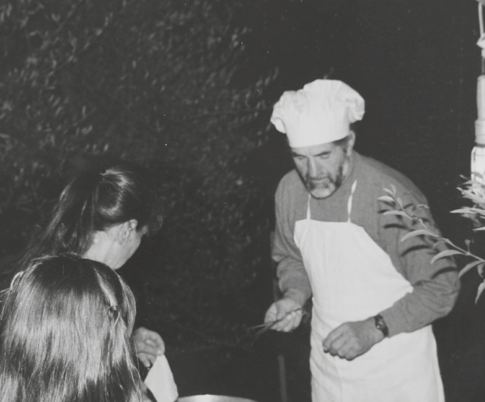
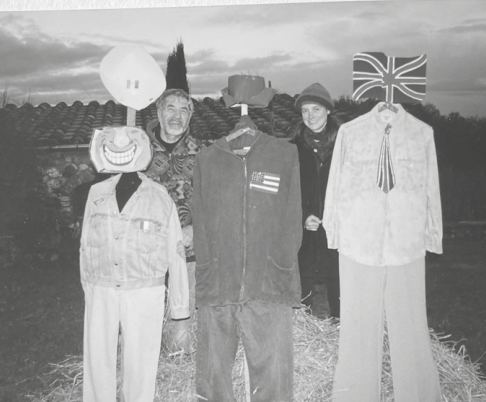
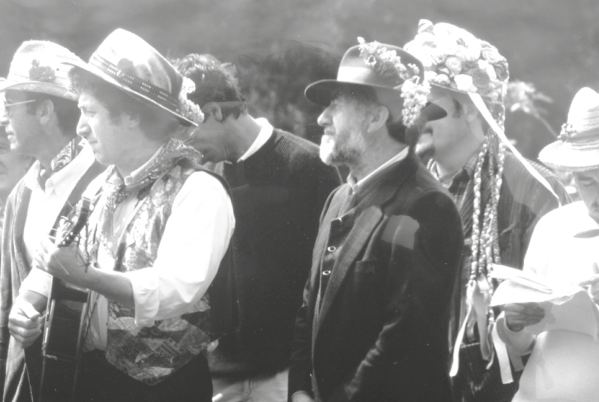
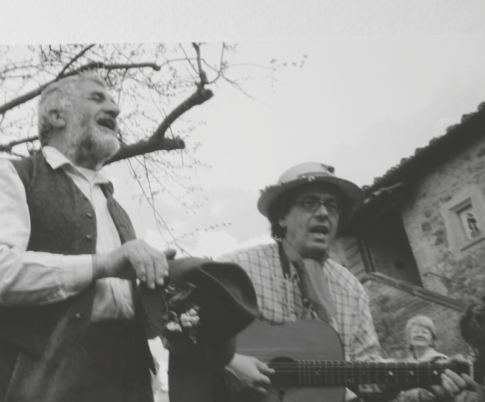
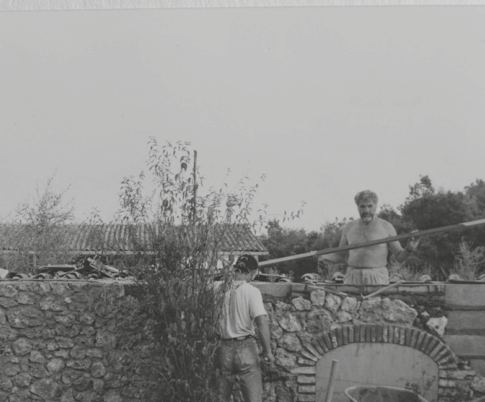
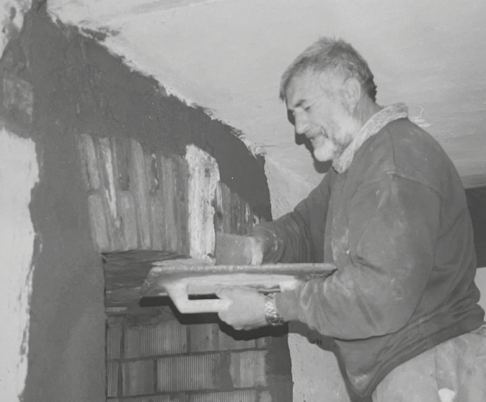
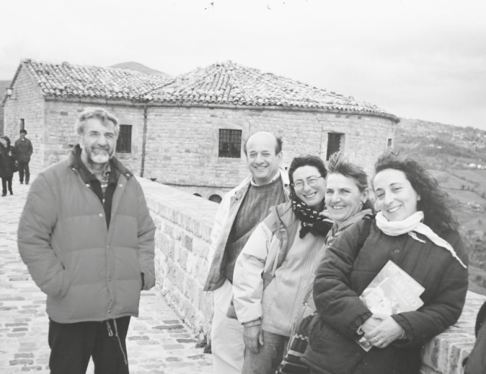
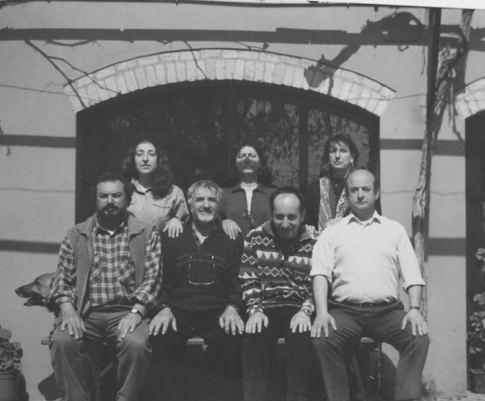
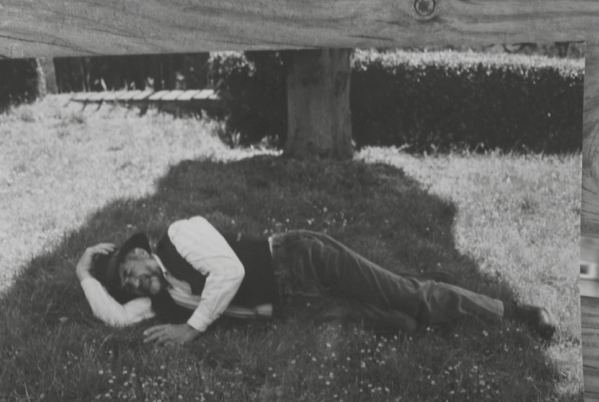
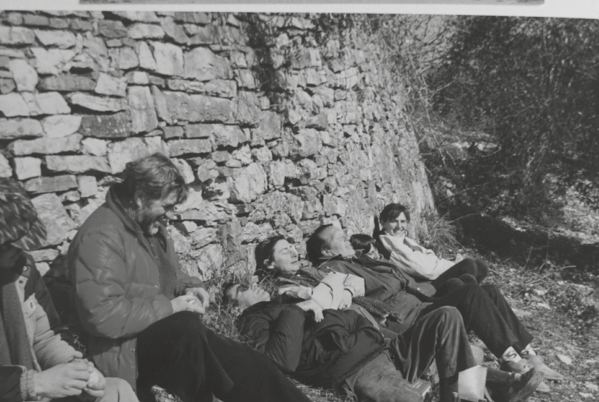
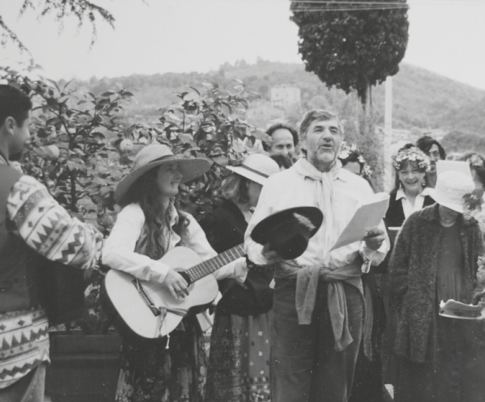
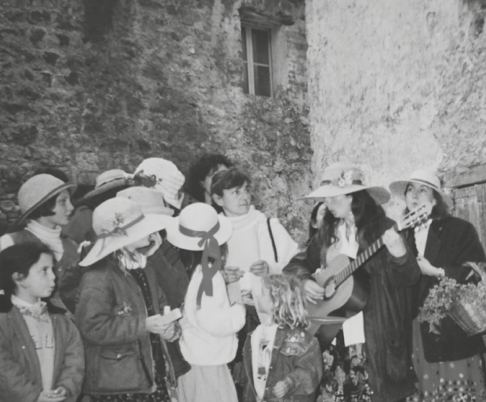
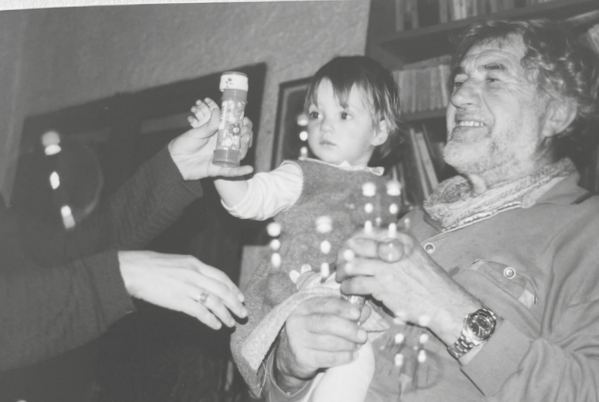
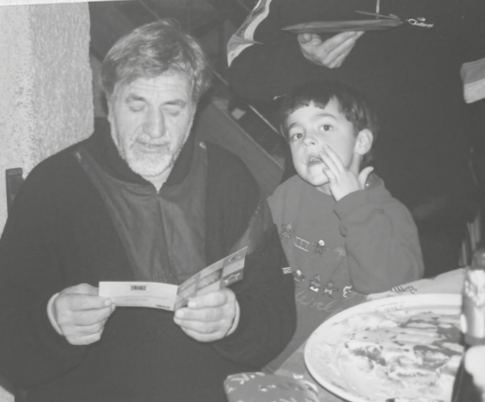
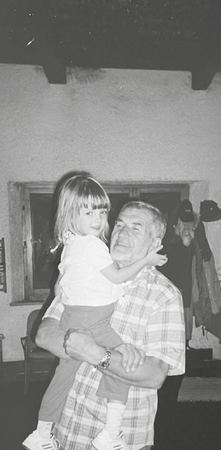
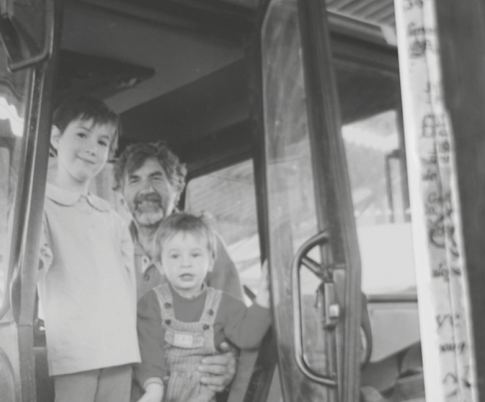
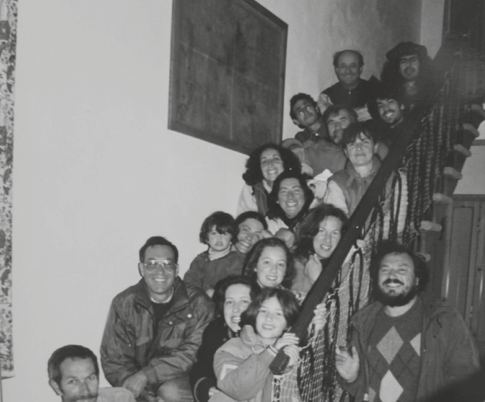
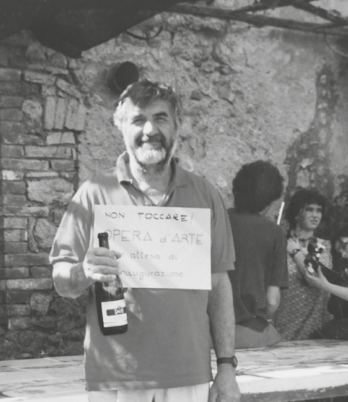
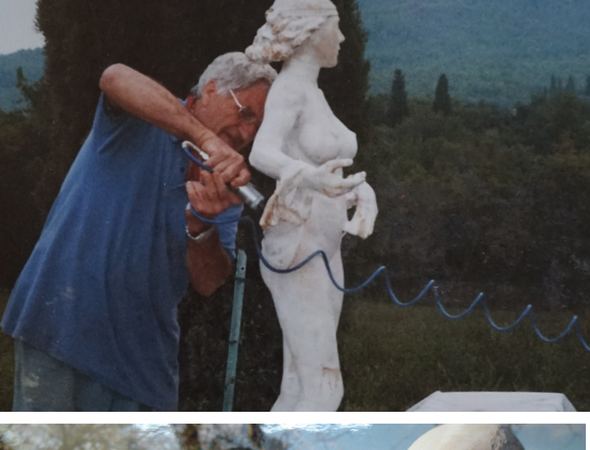
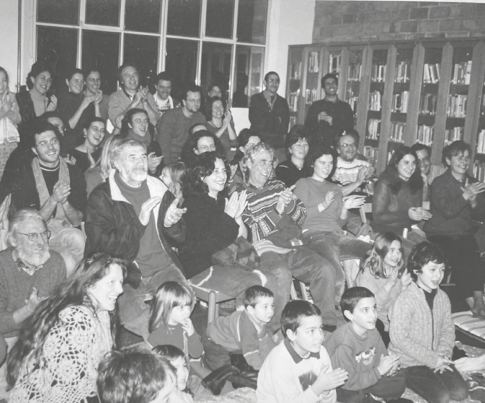
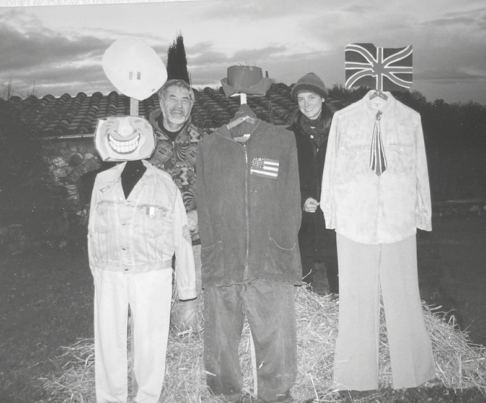
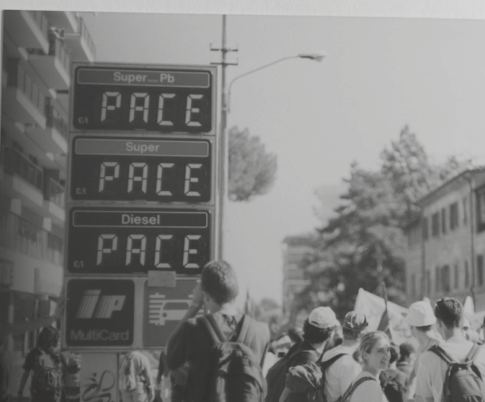
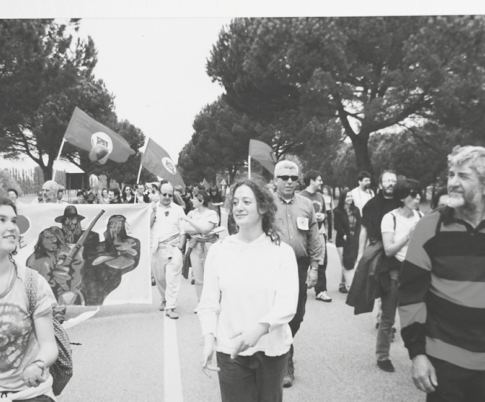
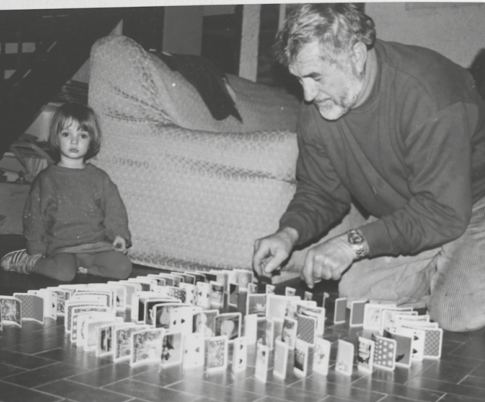
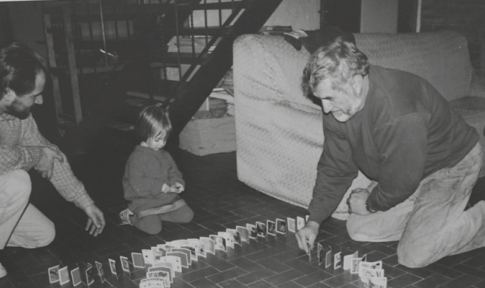
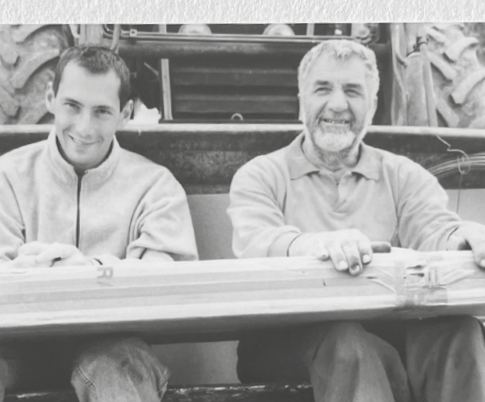
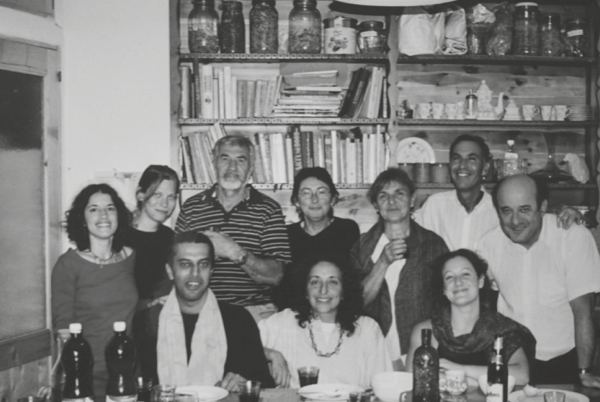
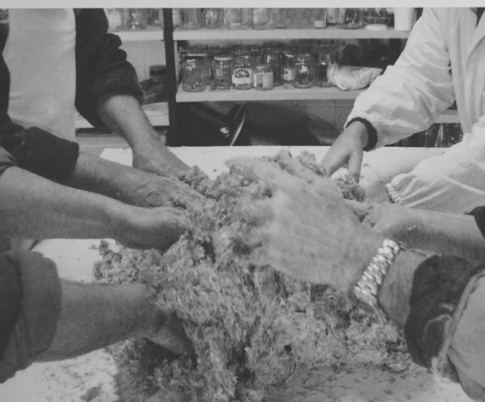
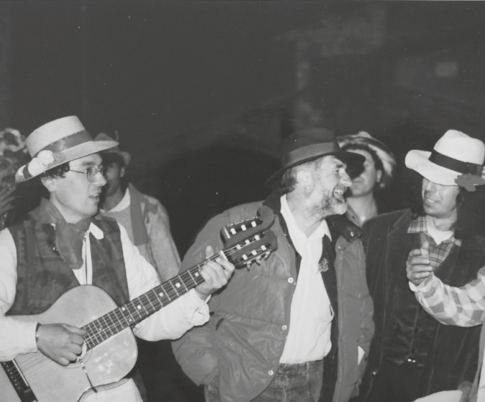
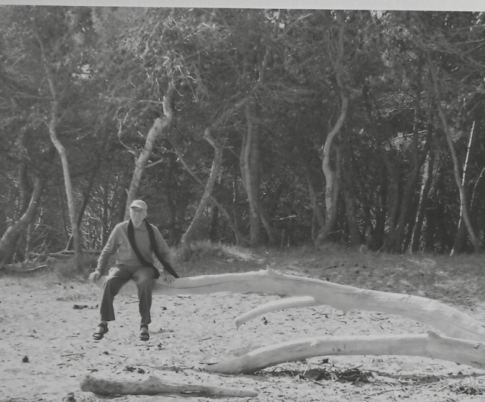
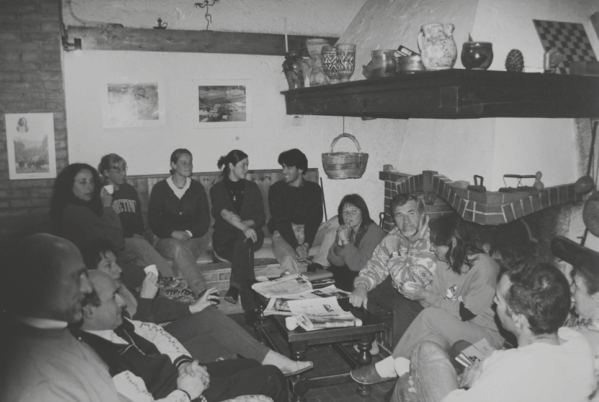
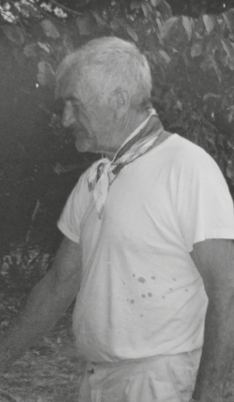
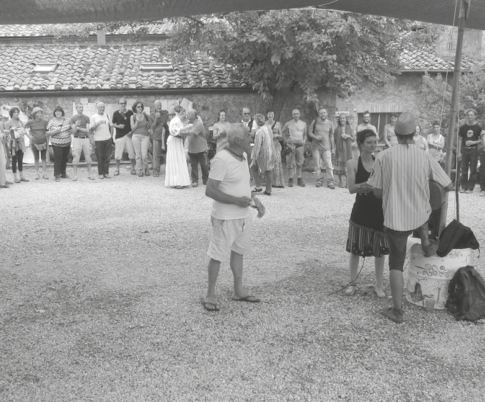
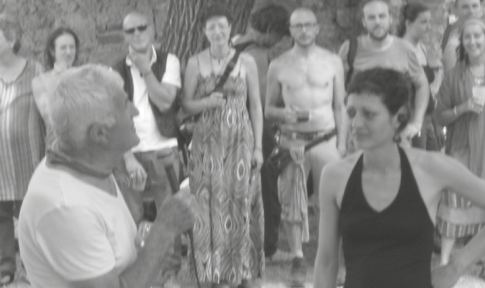
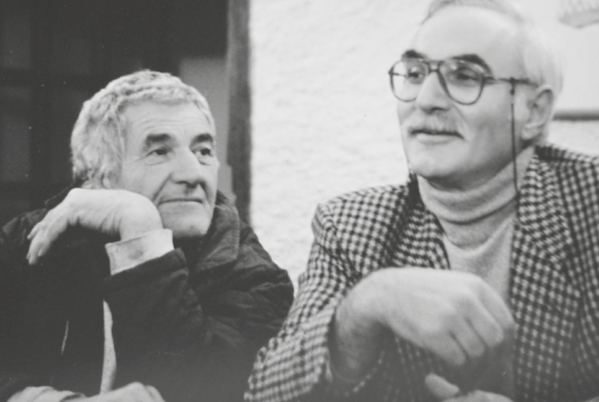
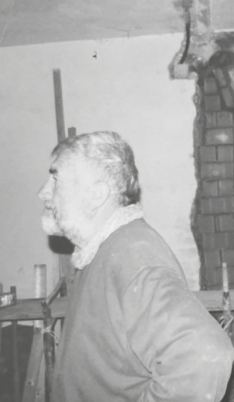
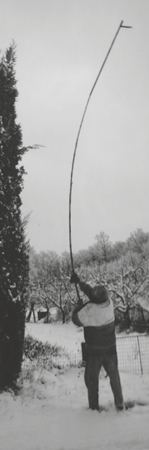
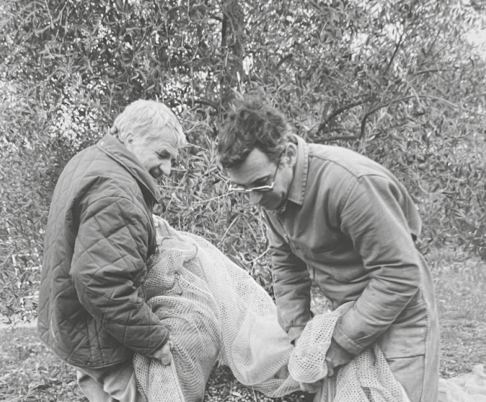
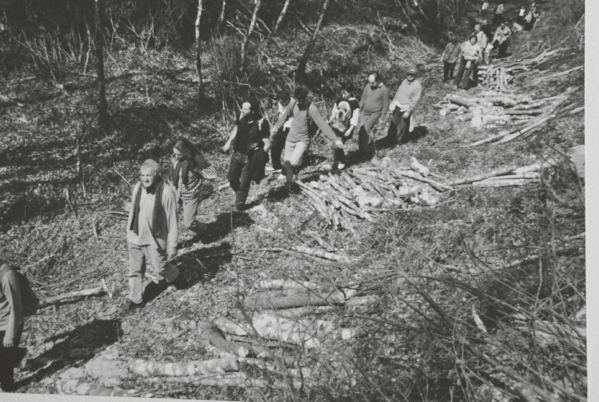
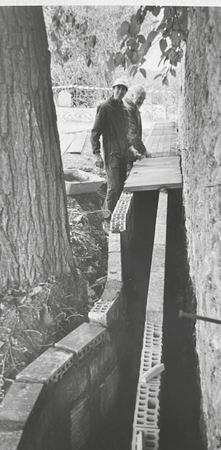
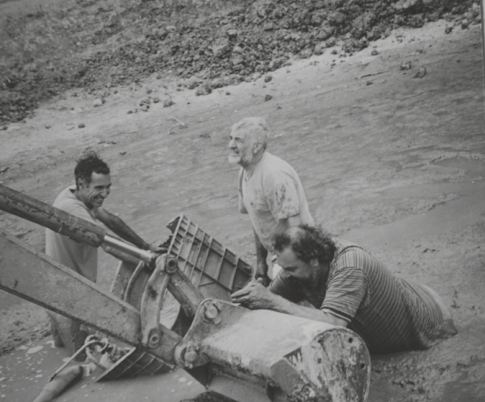
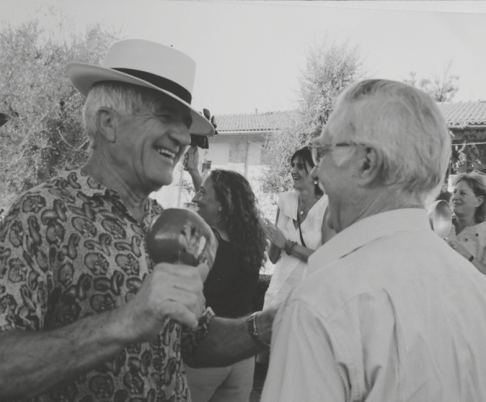
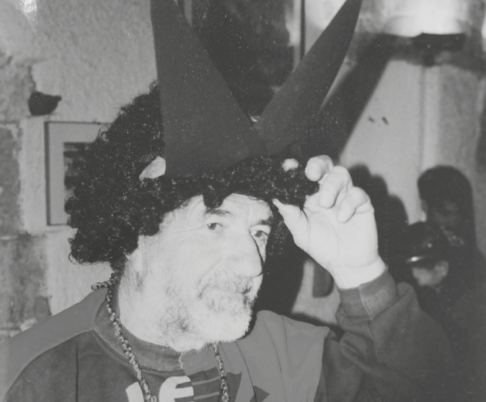
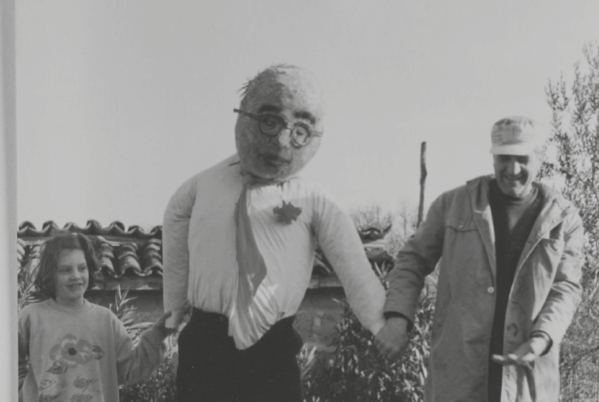
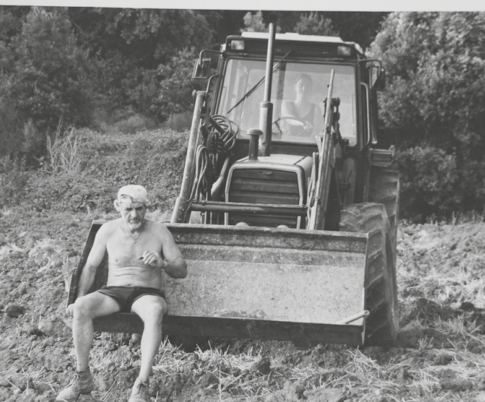
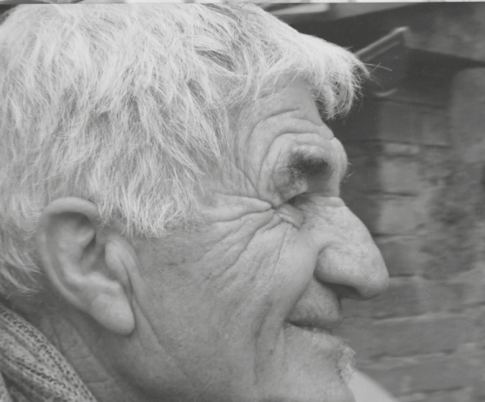
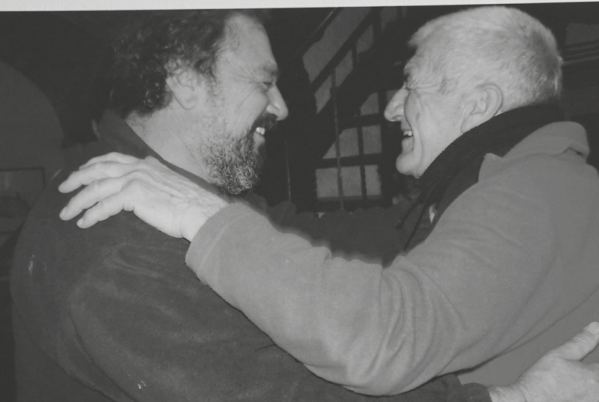
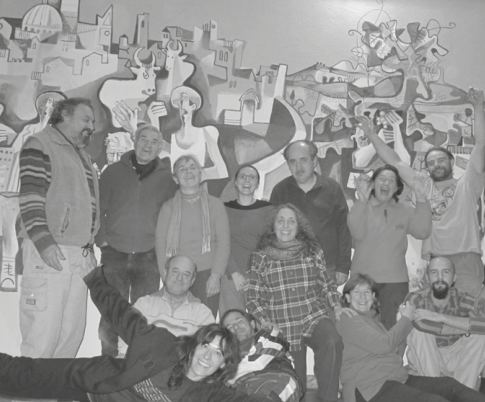
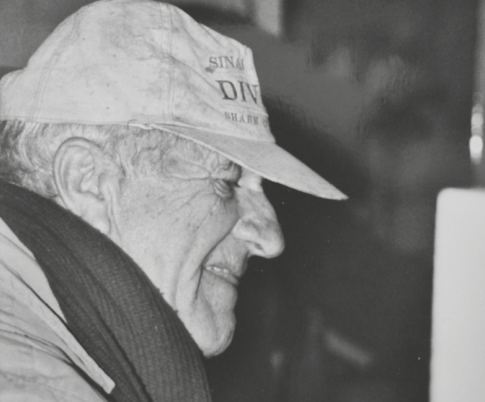
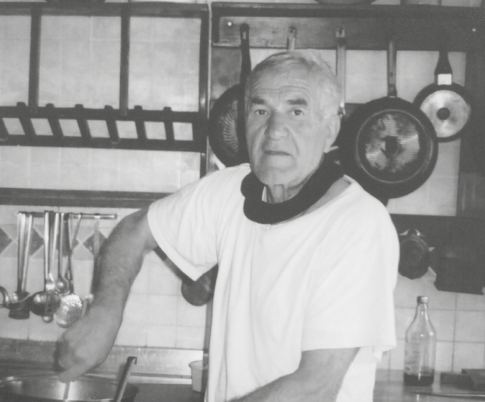
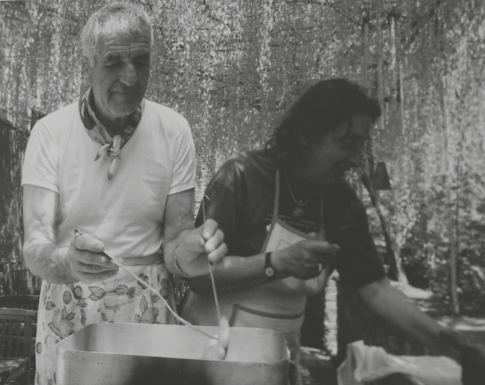
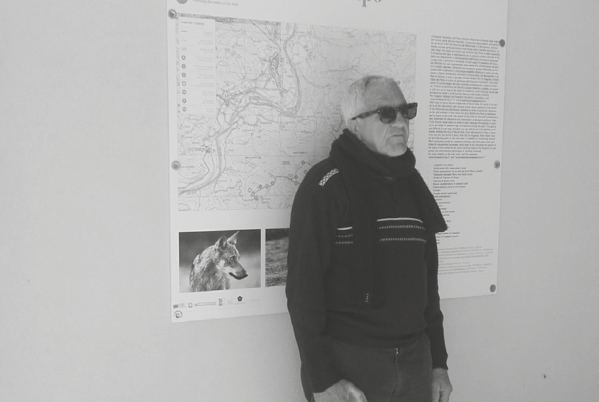
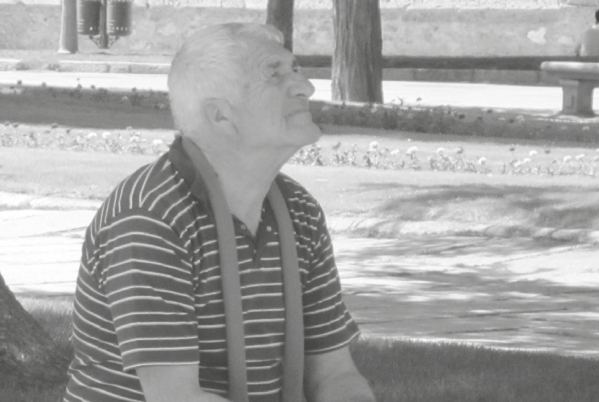
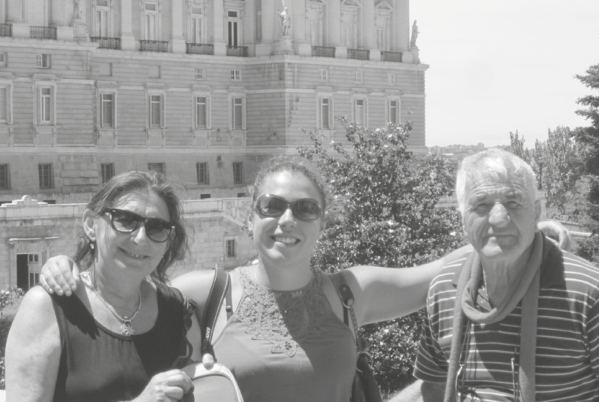
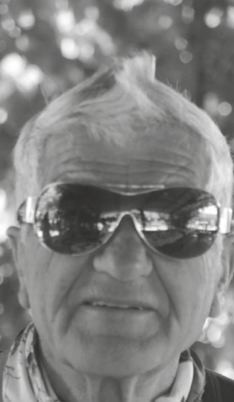
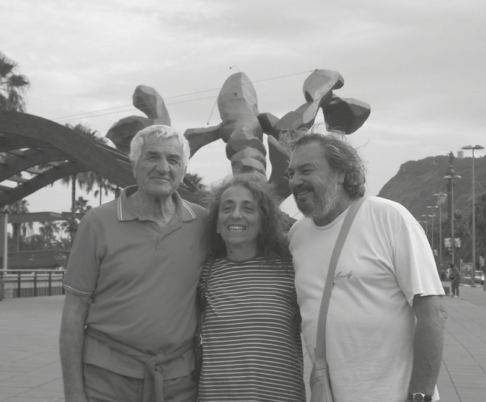
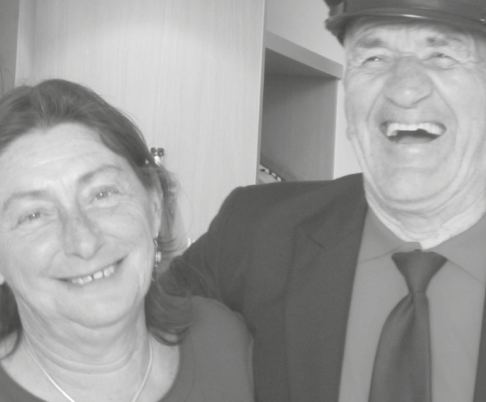
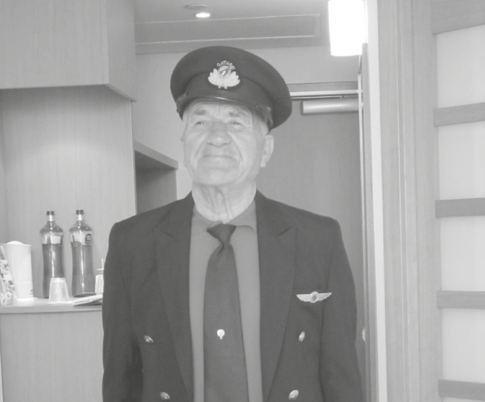
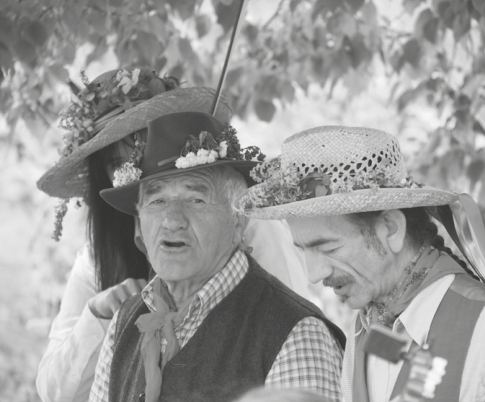
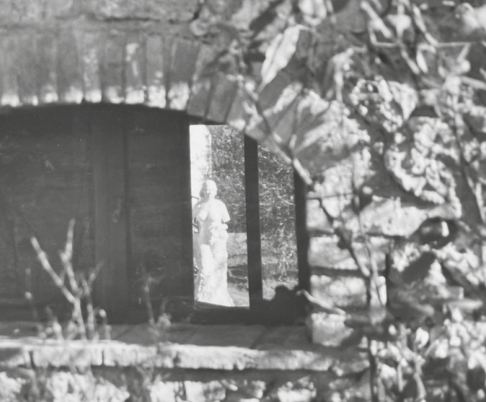
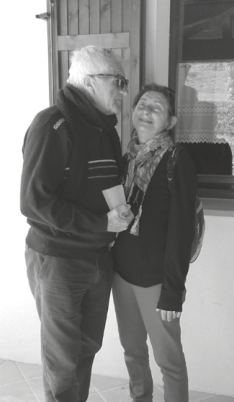
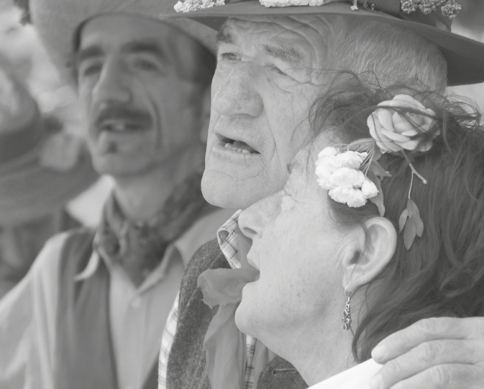
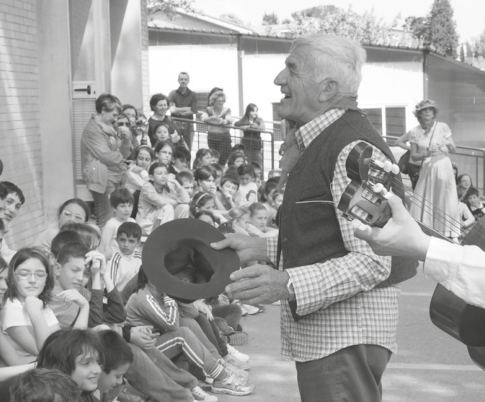
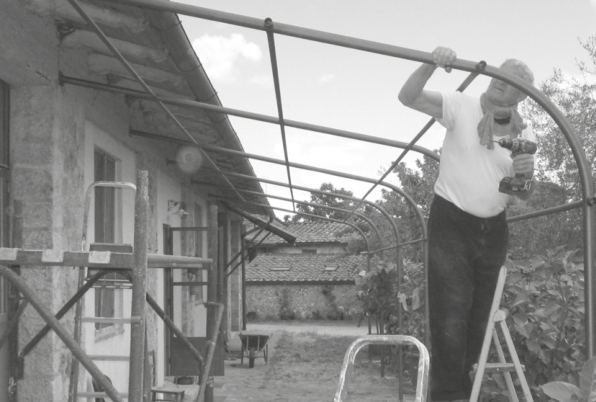
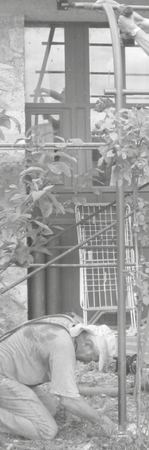
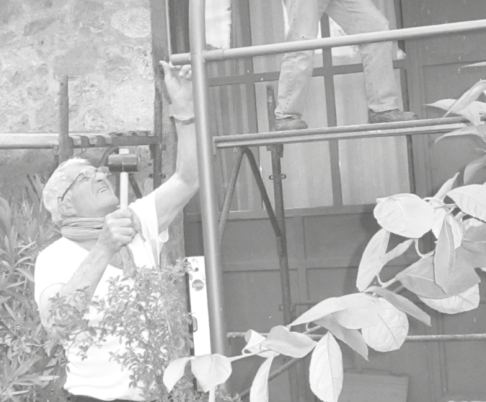
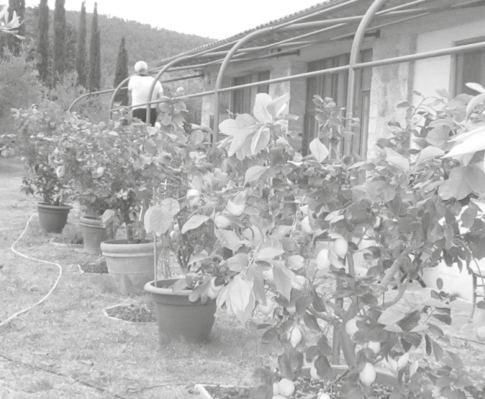
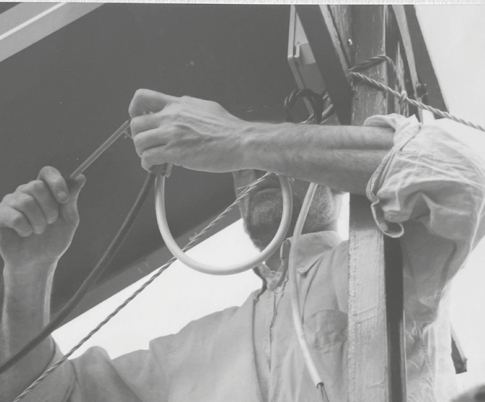
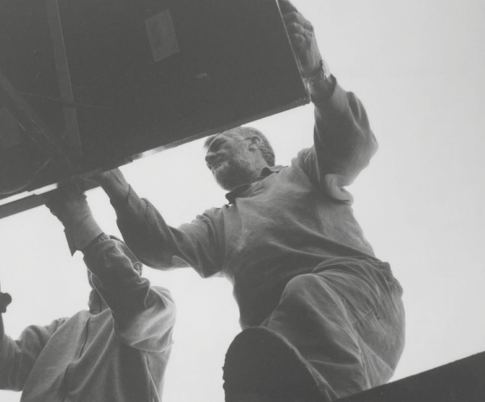
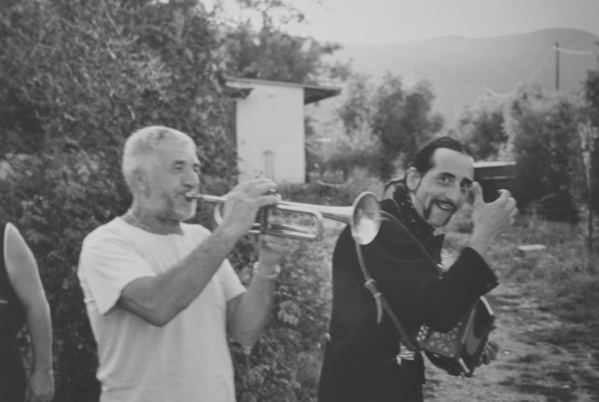
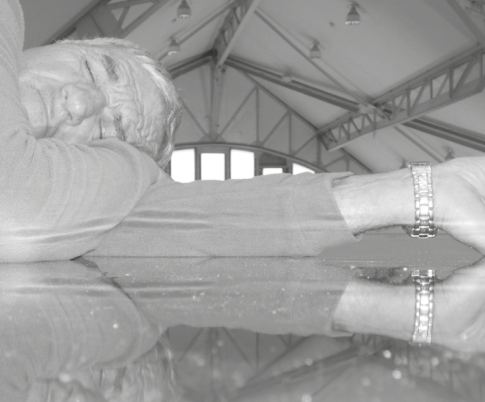
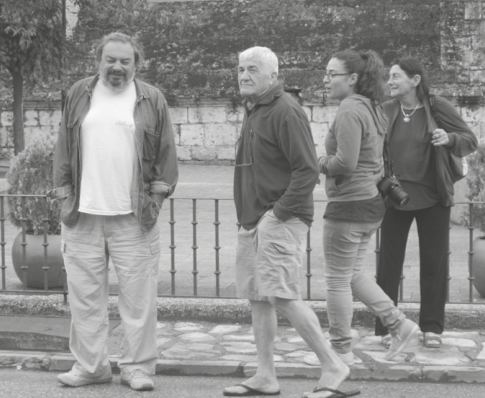
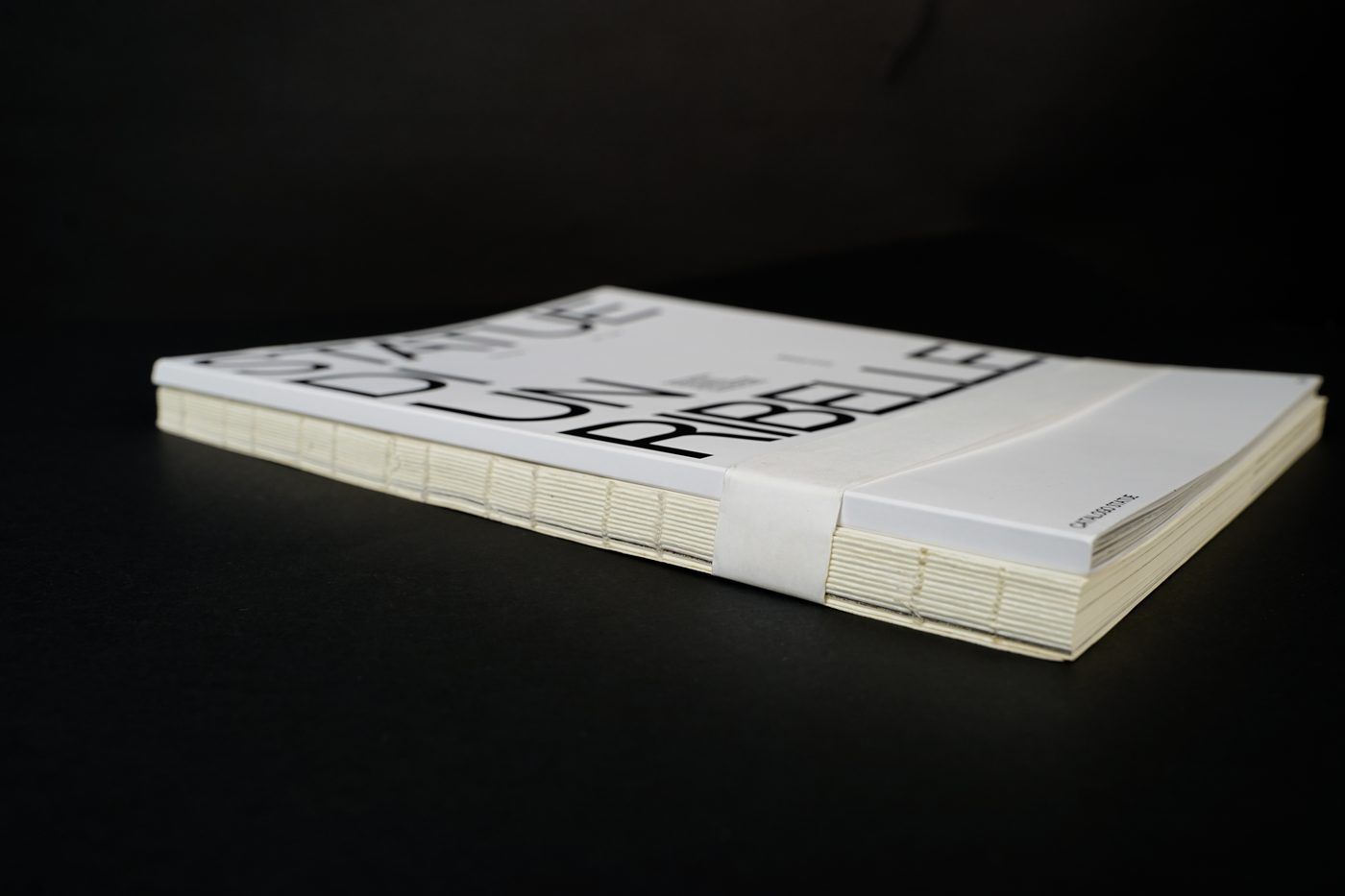
Photographs of the finished volumes.
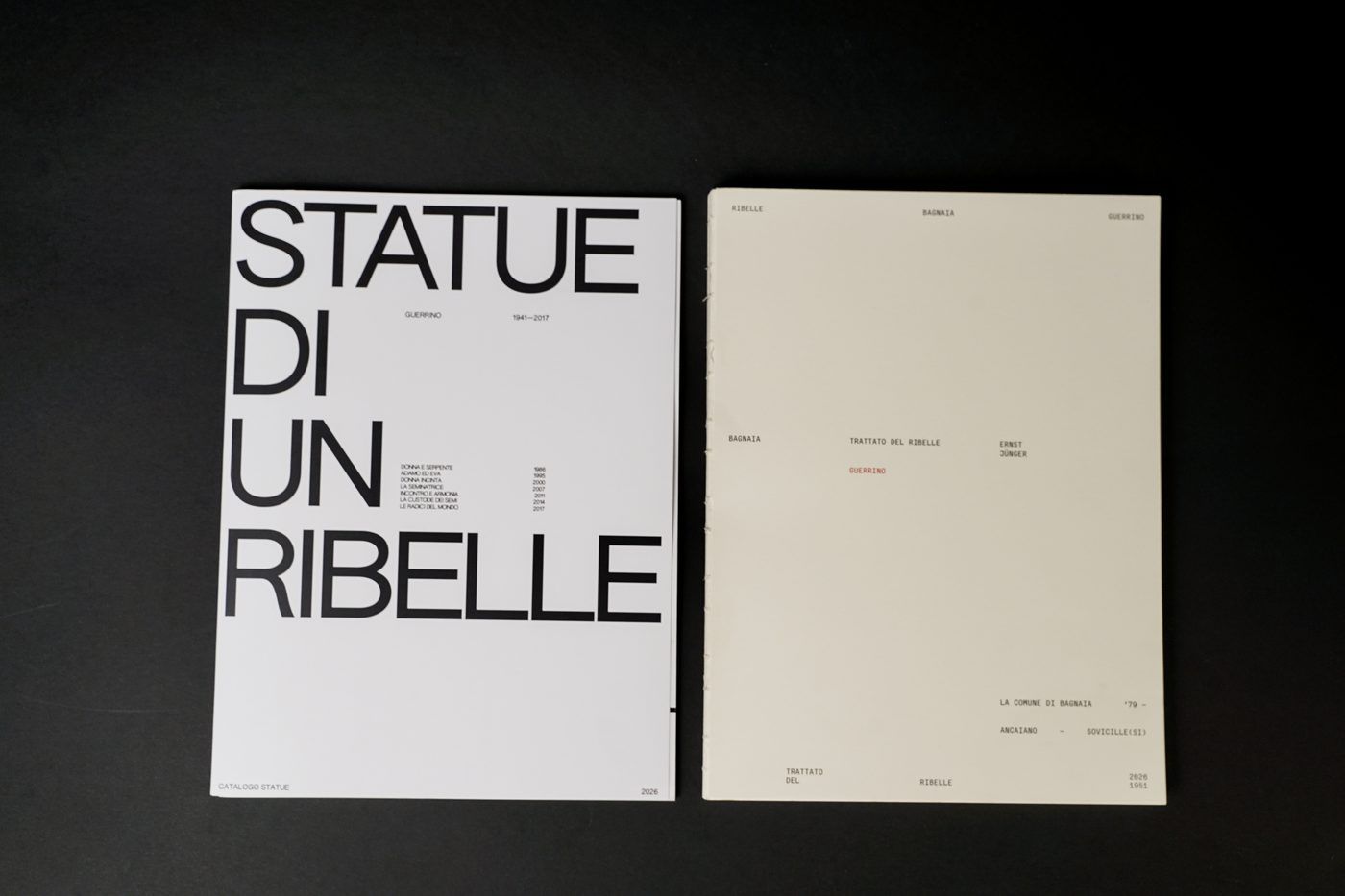
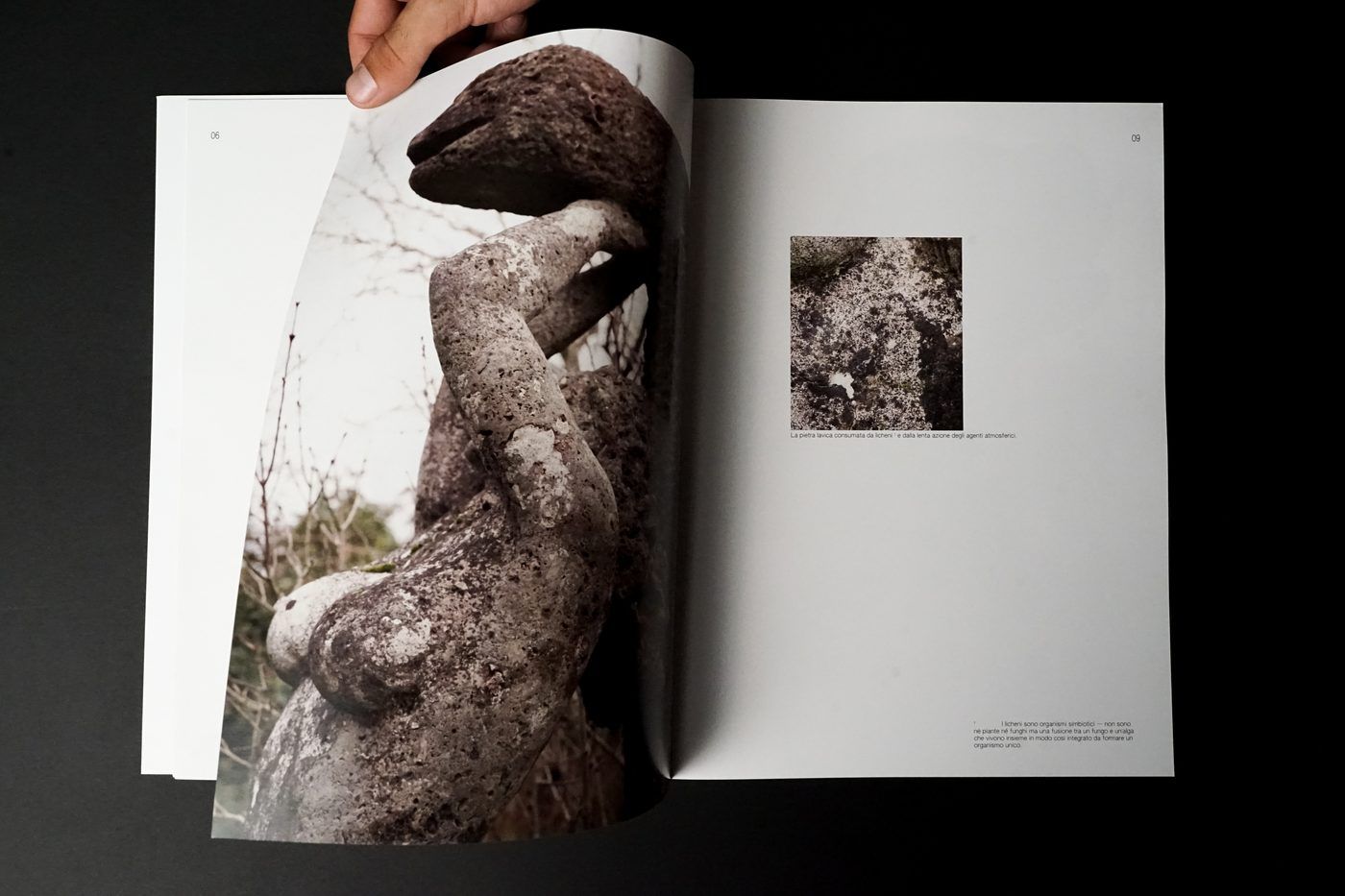
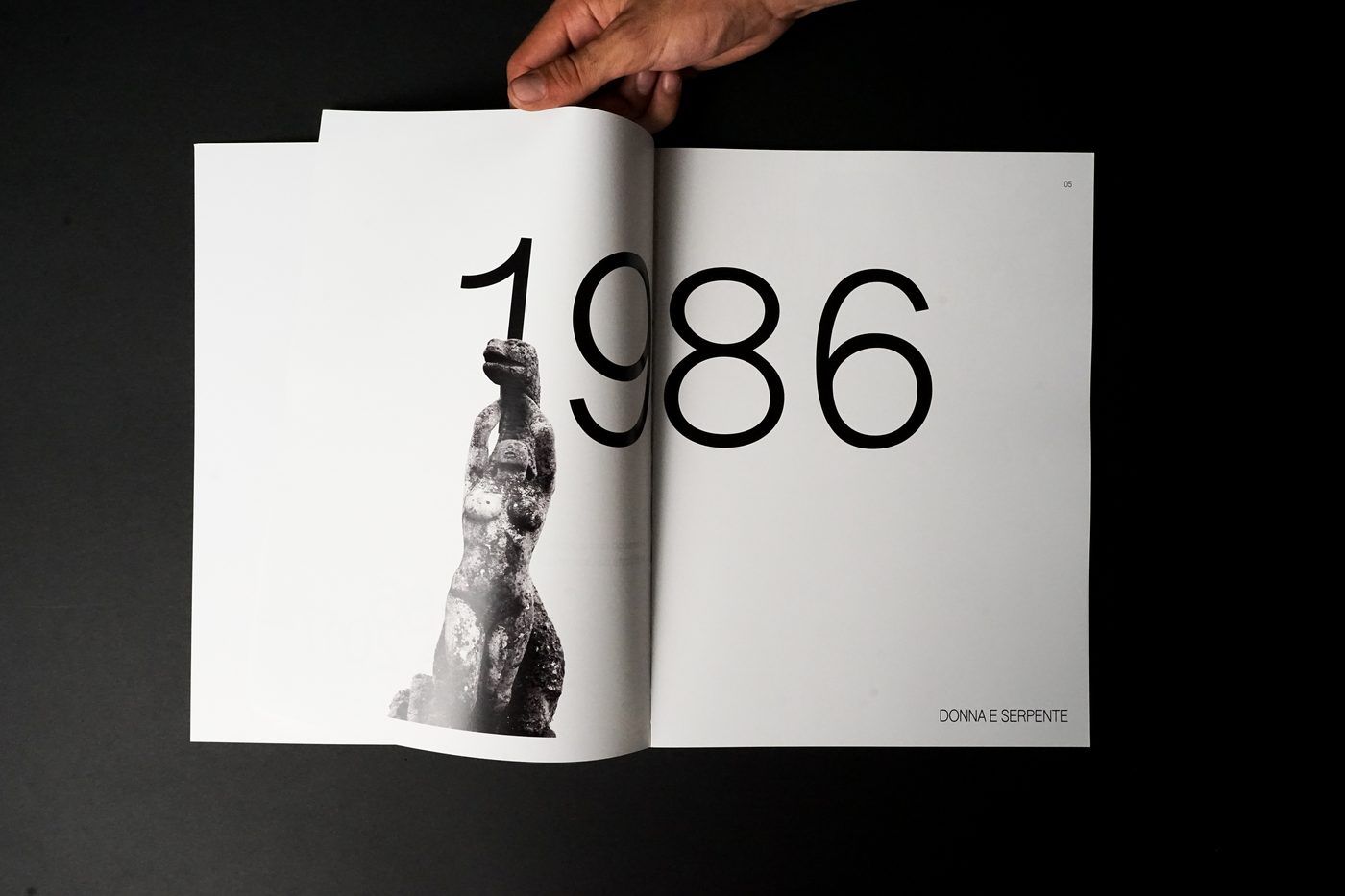
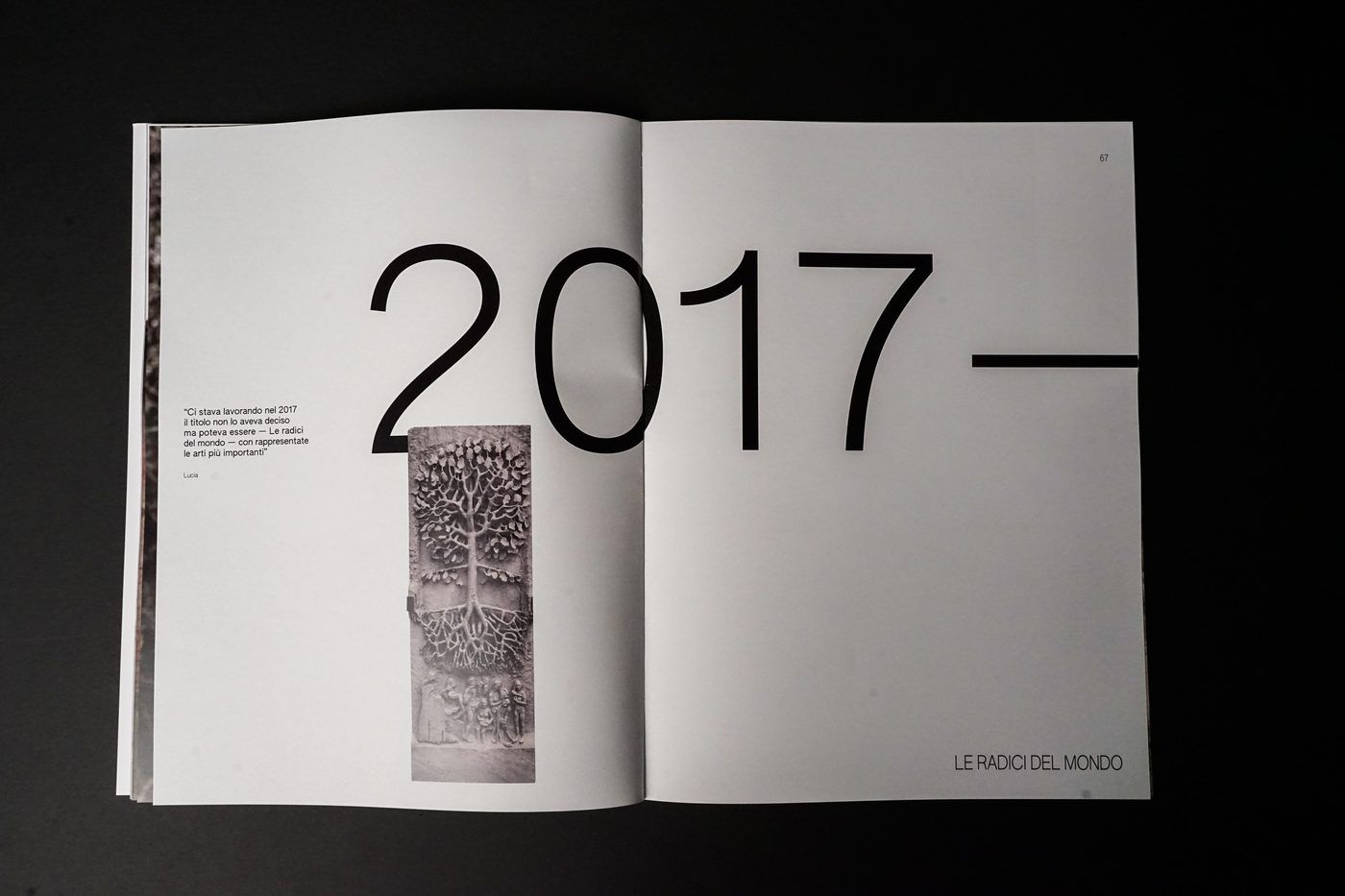
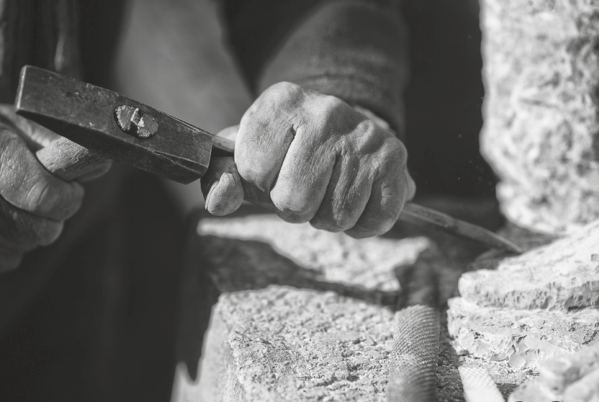
Seven statues made by Guerrino between 1986 and 2017, which we photographed for the catalogue Statue di un ribelle. Each work is documented as a whole, in detail, and in the changes time has left on the stone.
Lava stone worn away by lichens and the slow action of the weather. Moss and lichens compete for the surface where it is most exposed to damp.
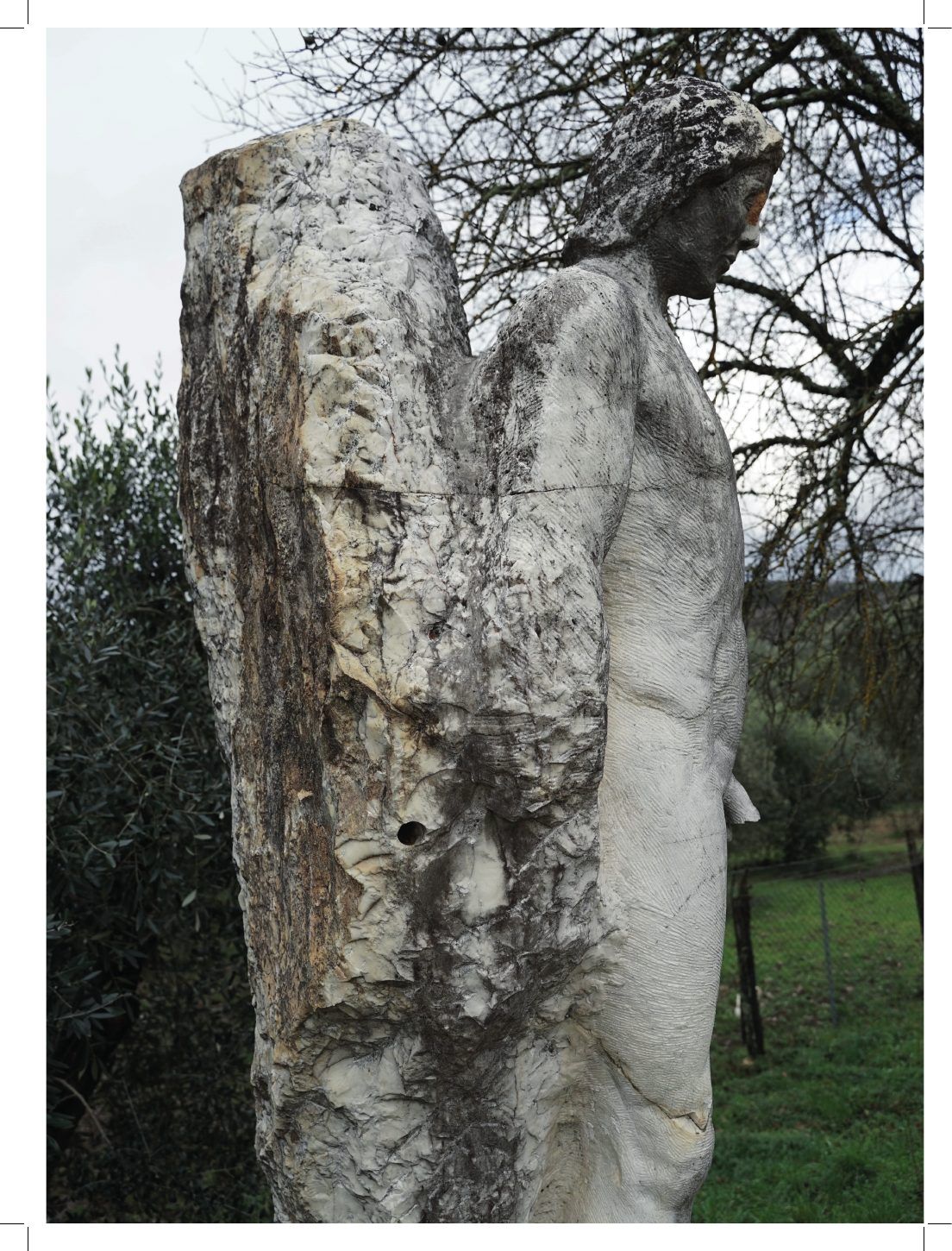
Adam and Eve were meant to emerge together from this block of marble, seen from behind. While he was carving, the marble began to crack and Guerrino stopped: Adam is finished, Eve has stayed in the raw stone. The unfinished block is not a failure: it is the exact point where the material decided not to give way.
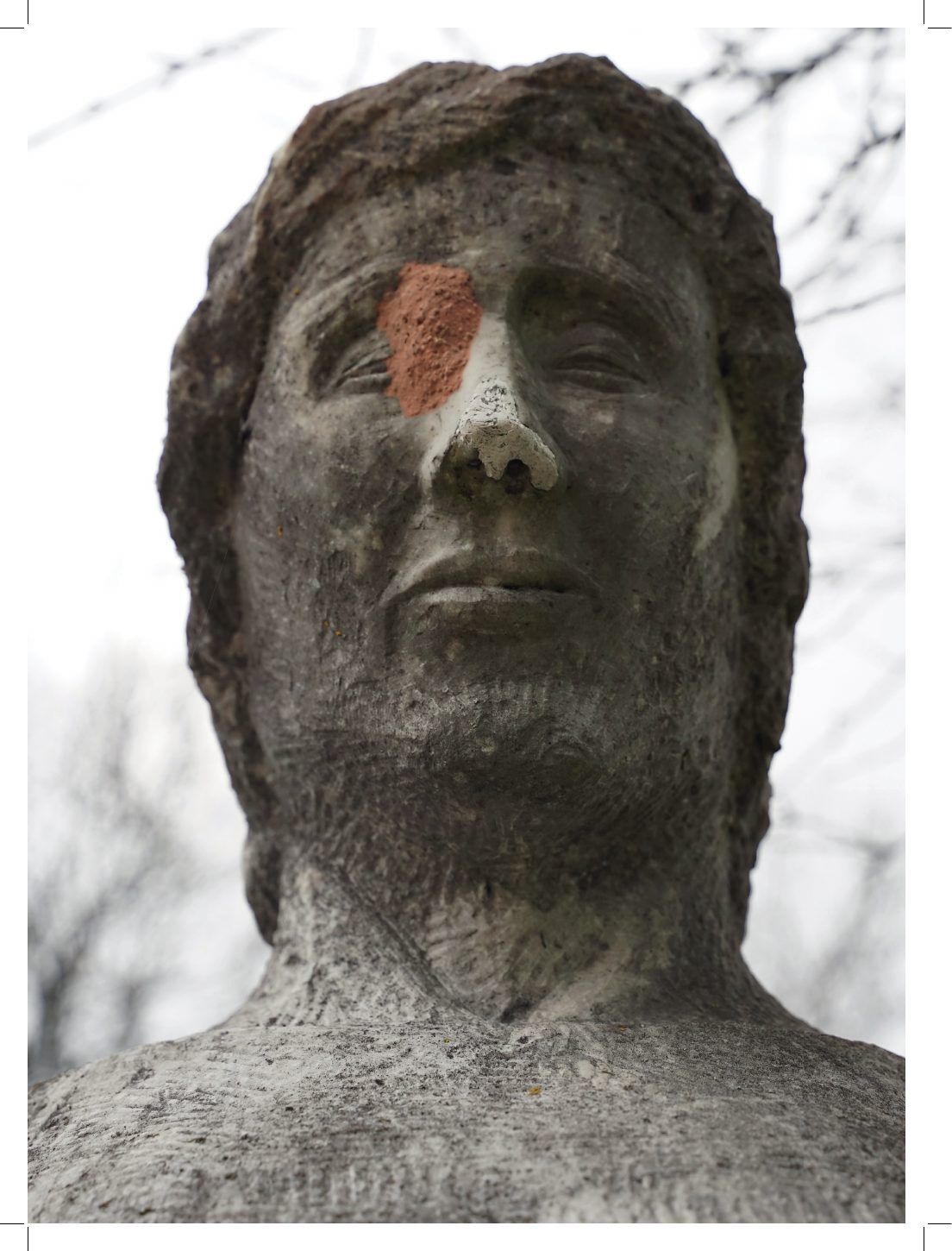
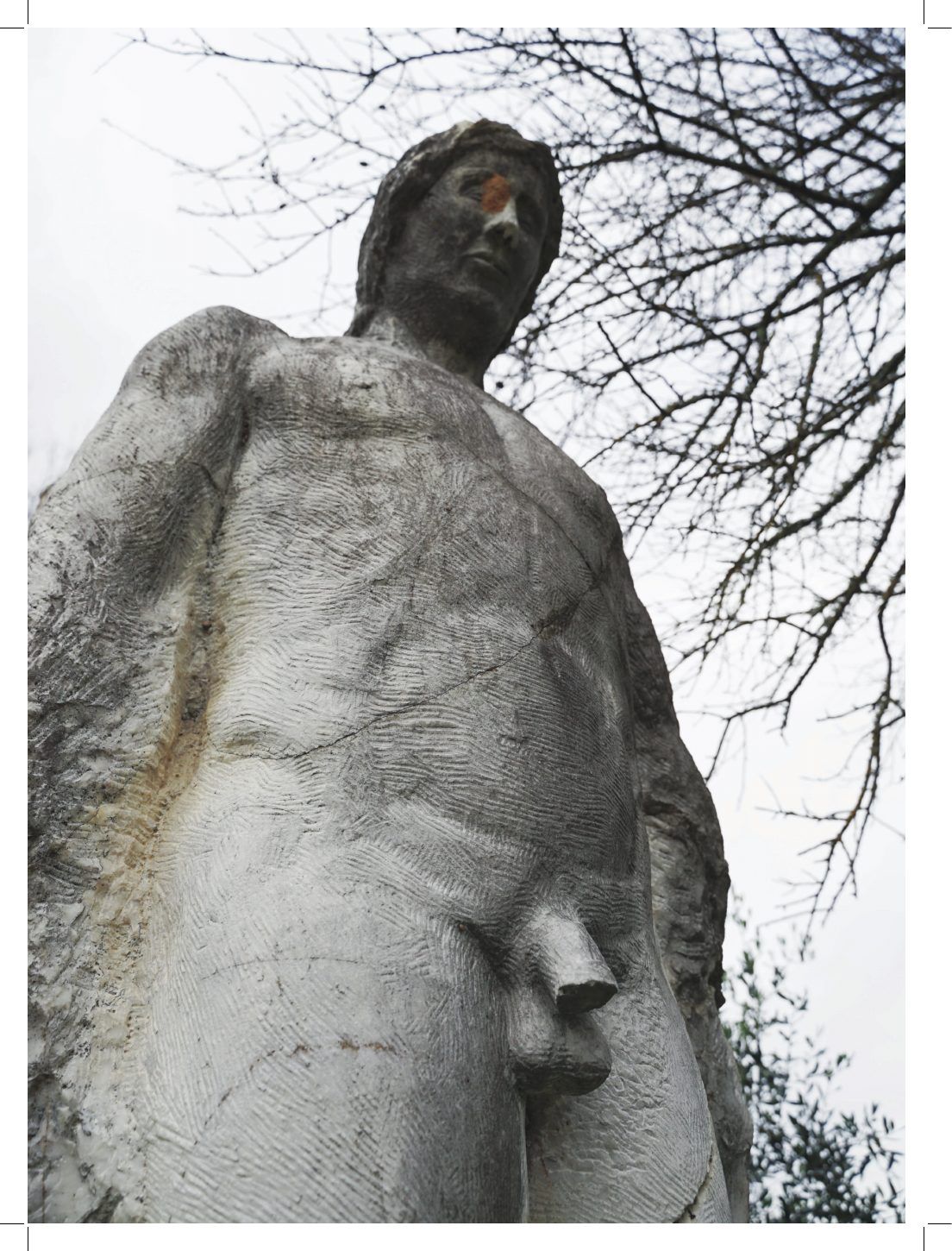
The porous lava stone shows traces of biological colonisation. White and yellow lichens and dark biofilms: the surface has almost vanished beneath the growth.
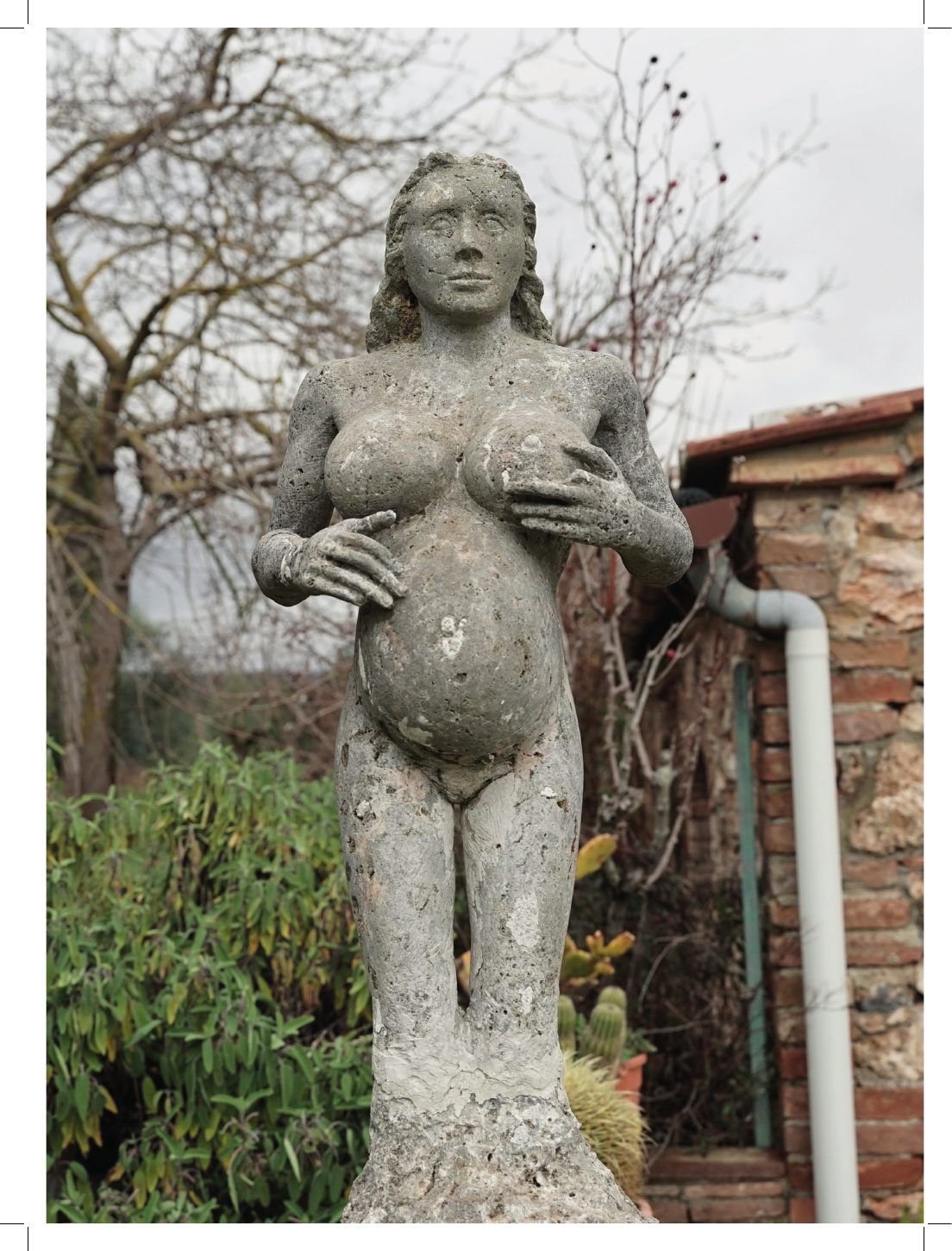
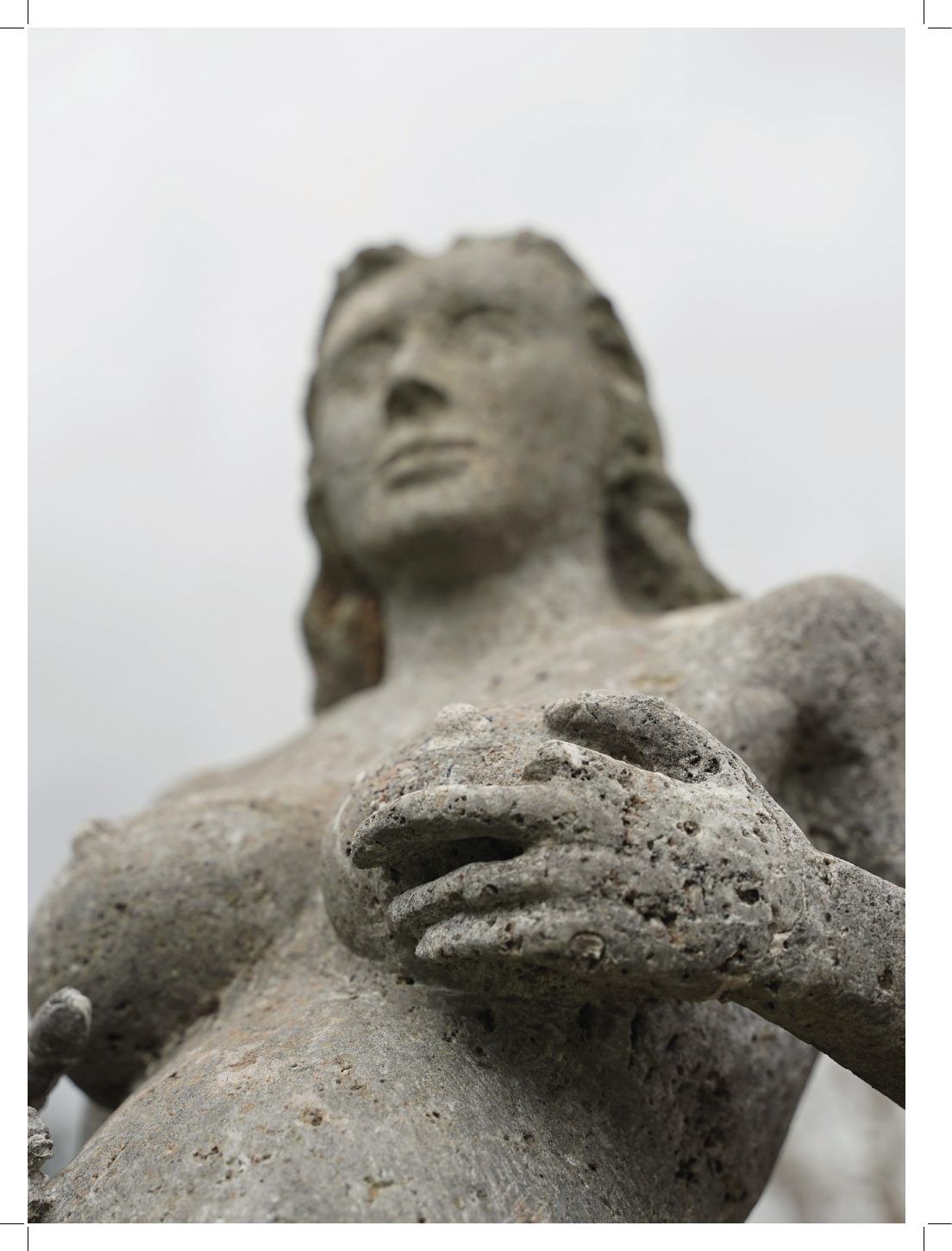
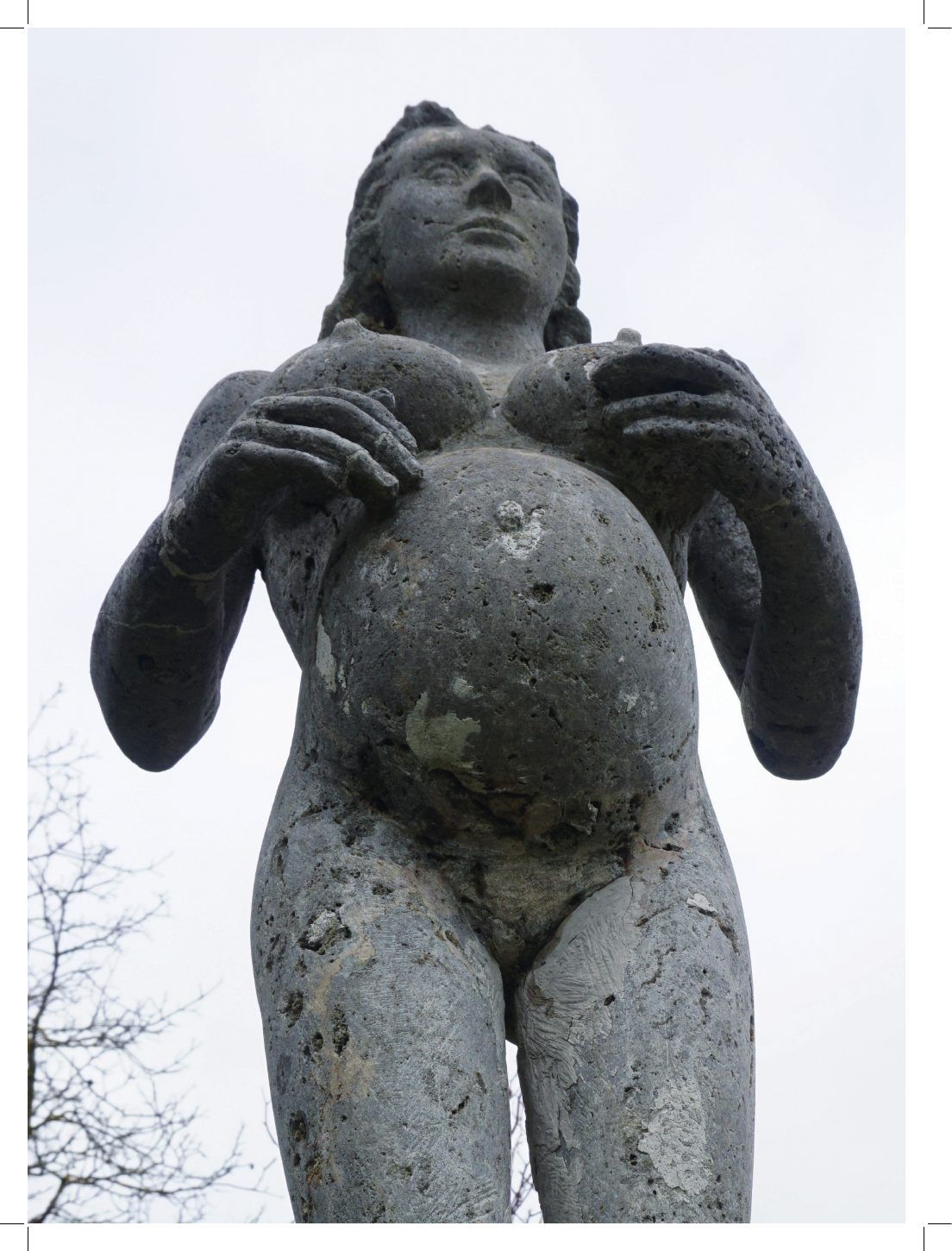
Xanthoria, a yellow-orange lichen among the most common in the world, has taken over the face. In the hollows of the statue, a stretched cobweb.
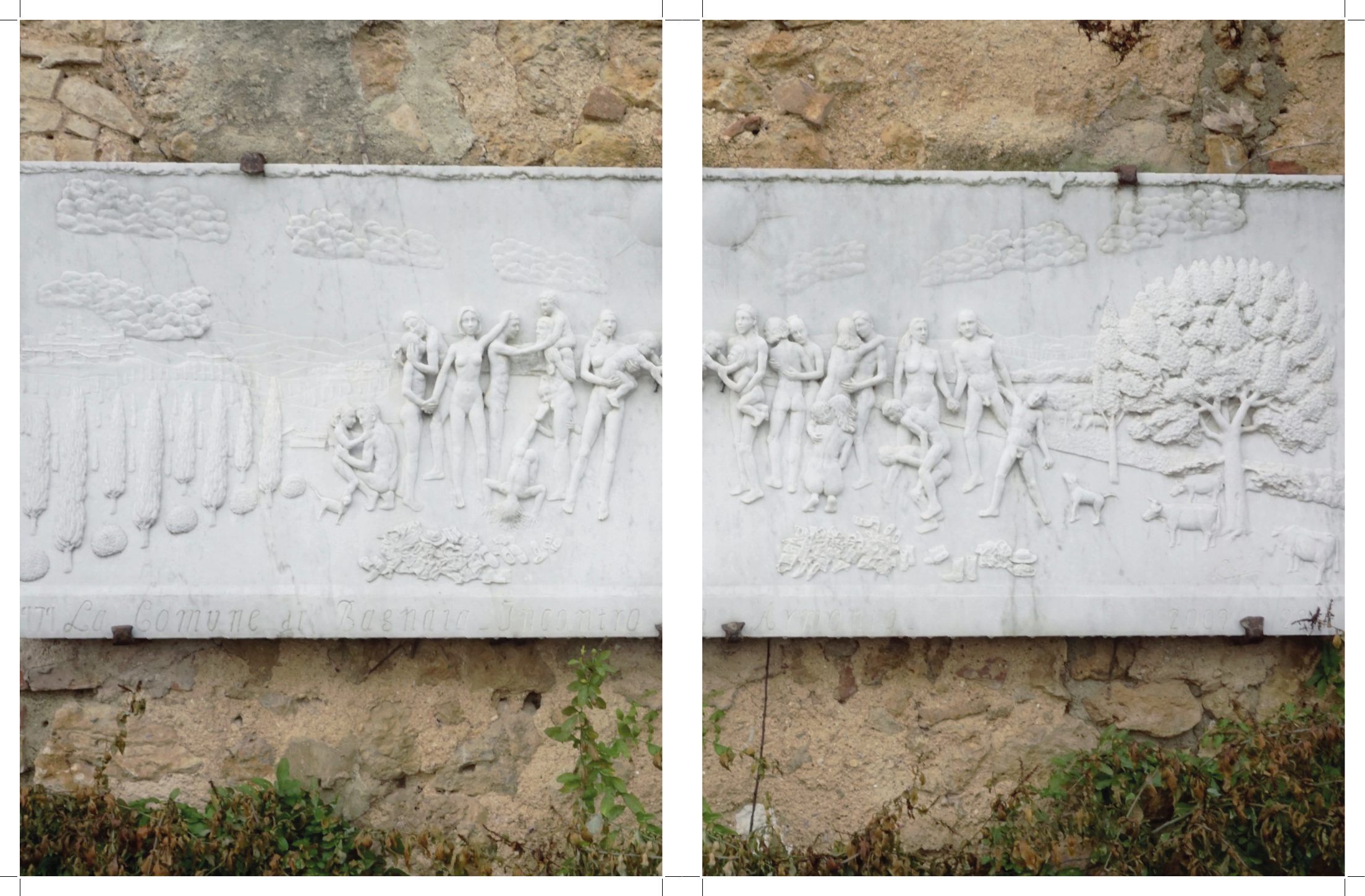
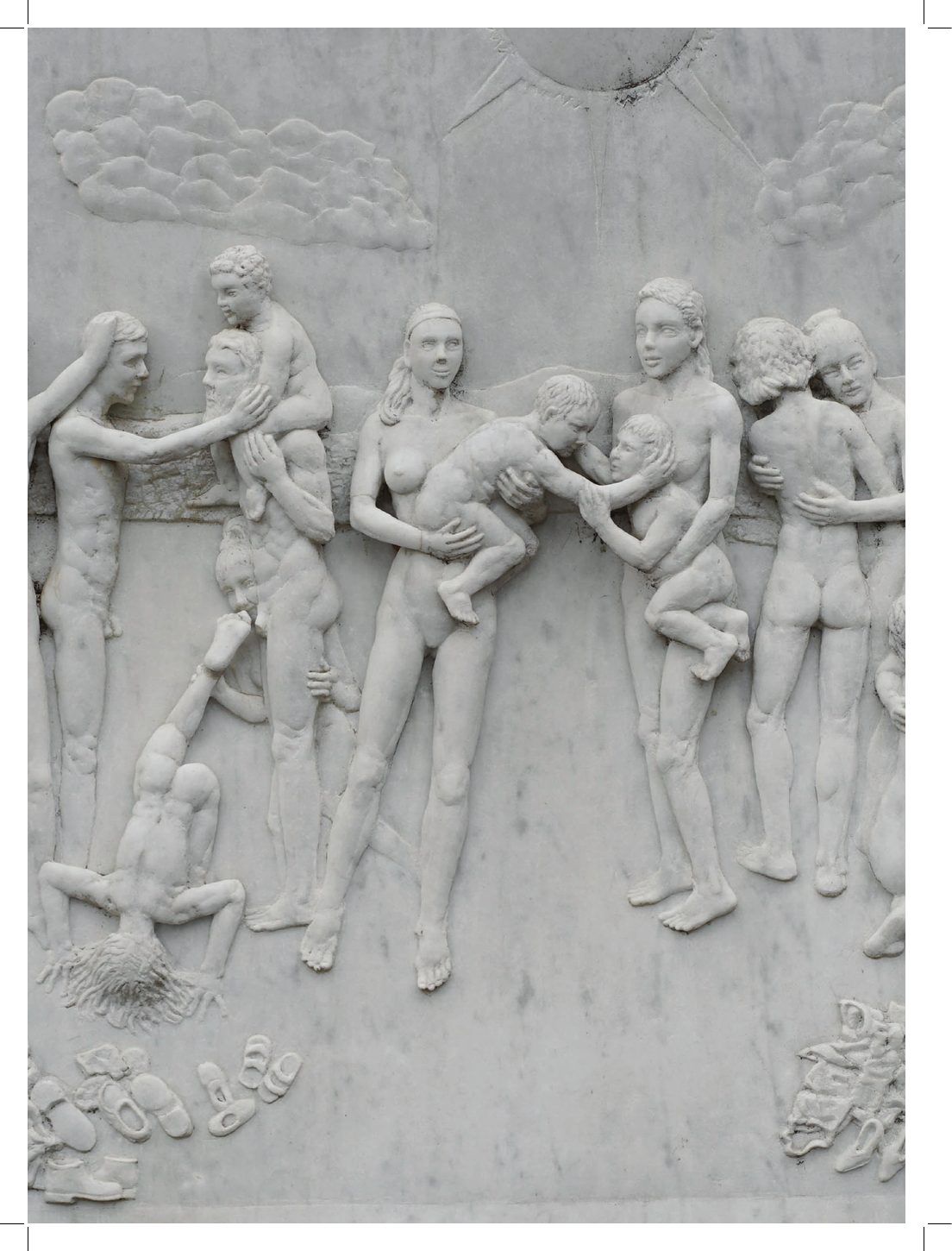
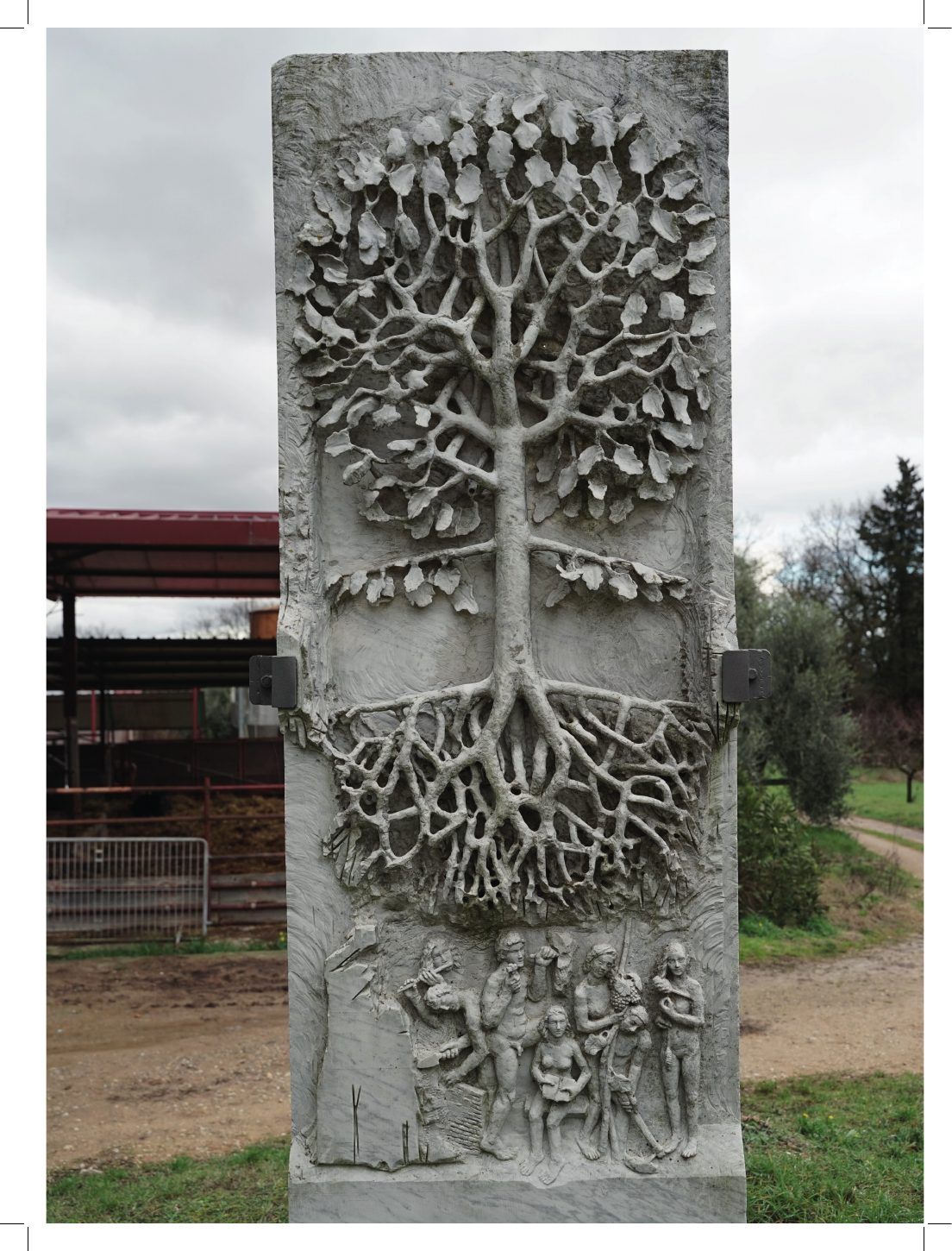
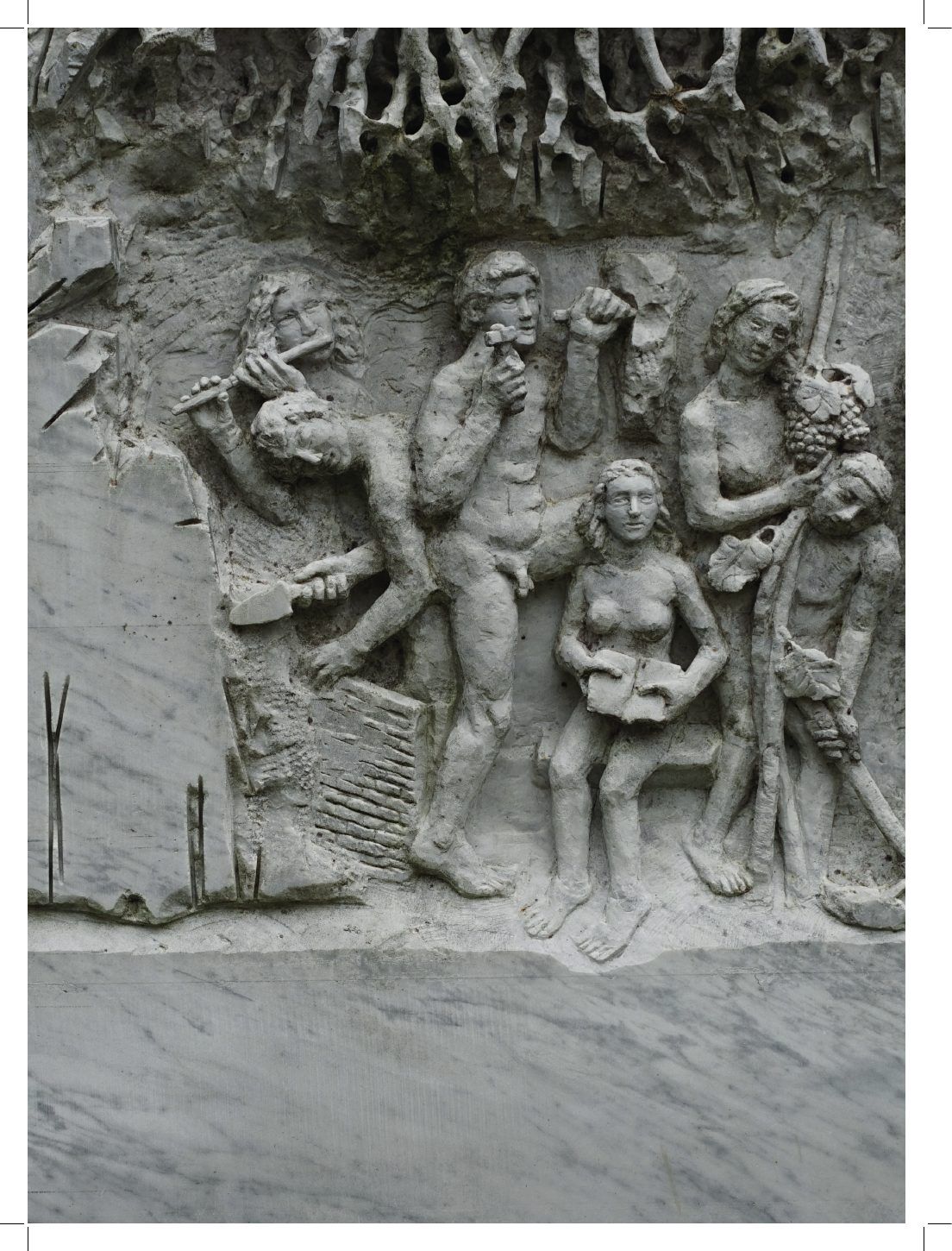
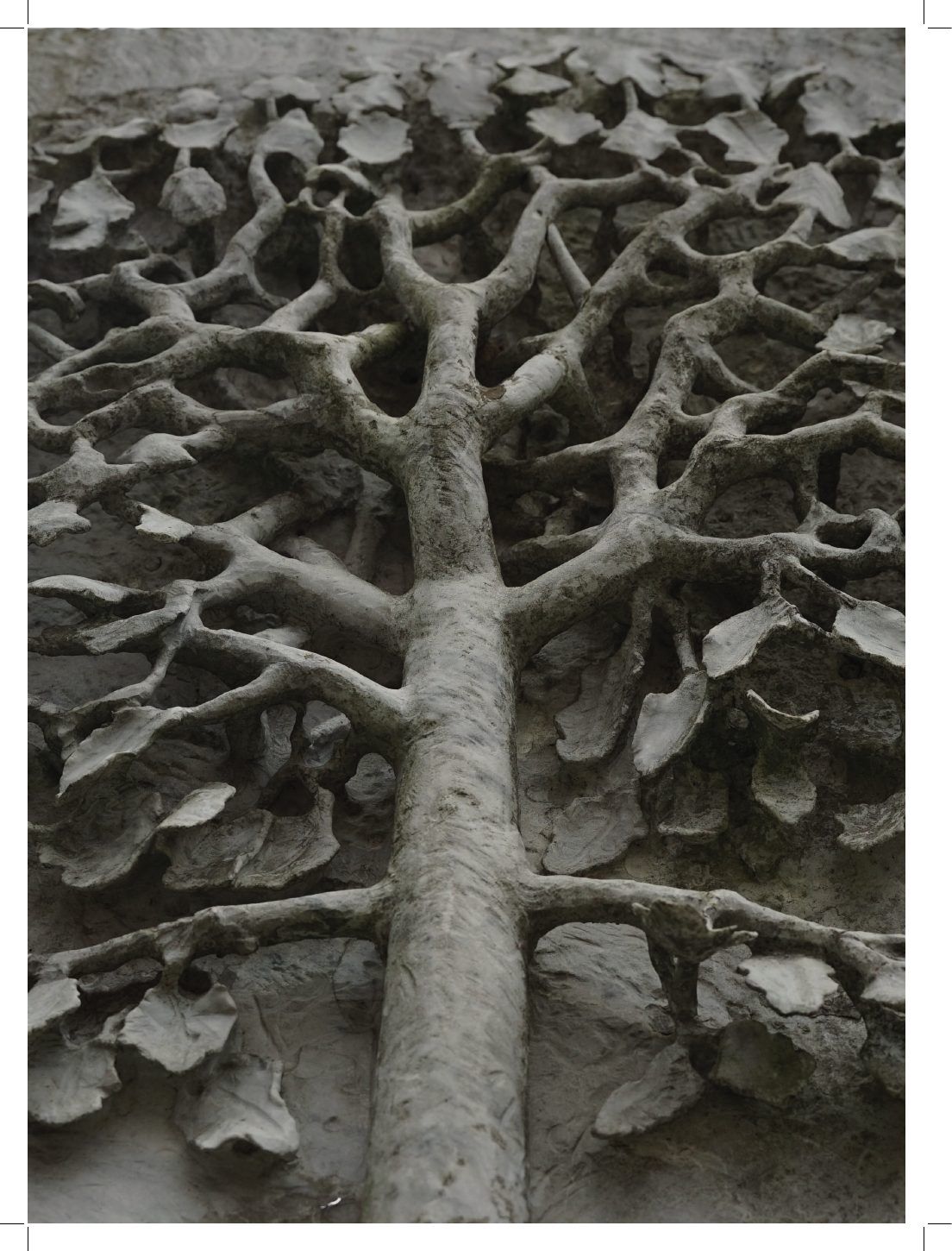
The marble bas-relief has survived better than the other statues: its sheltered position and the quality of the stone kept lichens and deposits away.
In the statue’s belly Guerrino set a glass porthole holding five seeds from the five continents. The pregnant woman is not carrying a child, she is carrying the world. The marble has split, its edges yellowed by water seeping in over time.
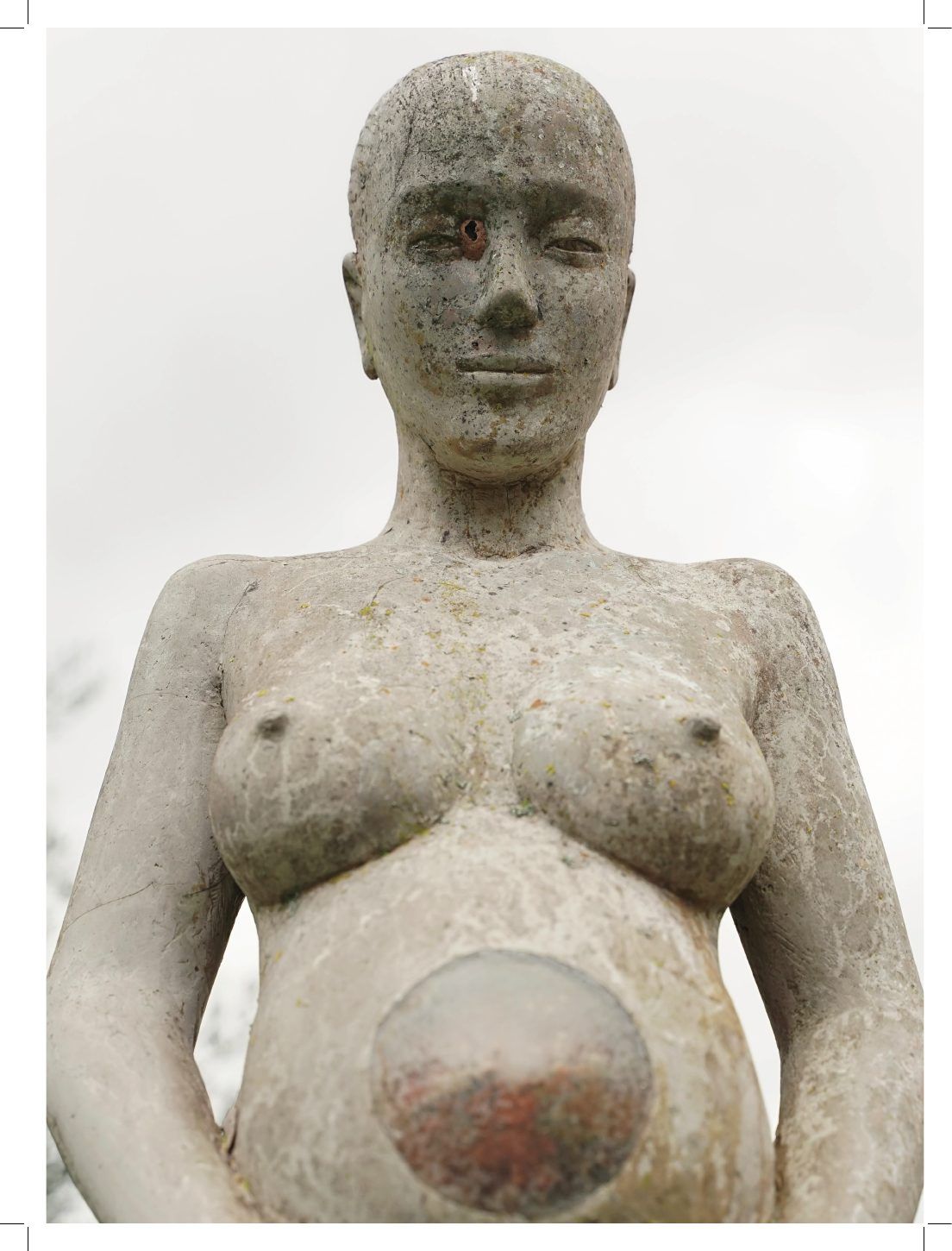
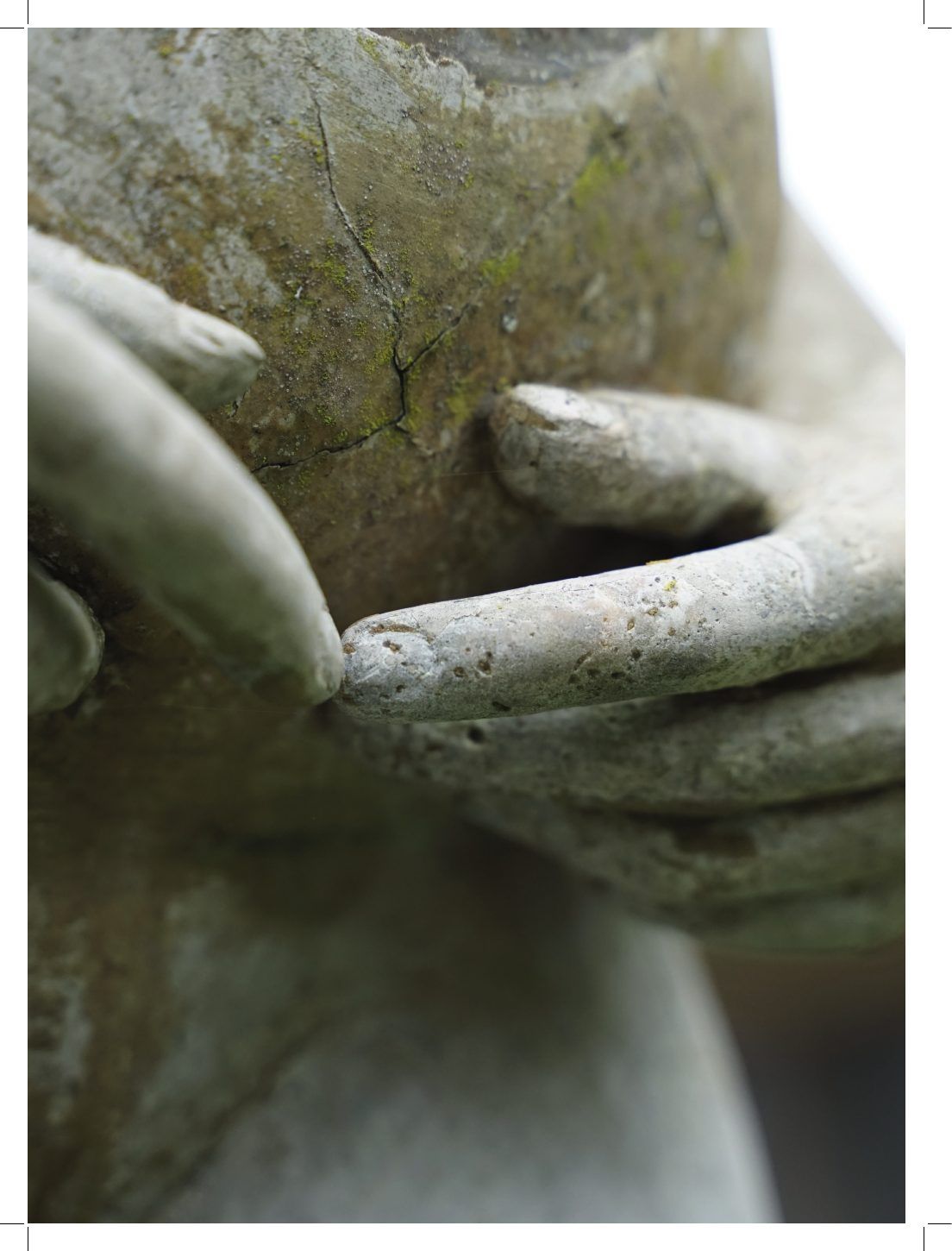
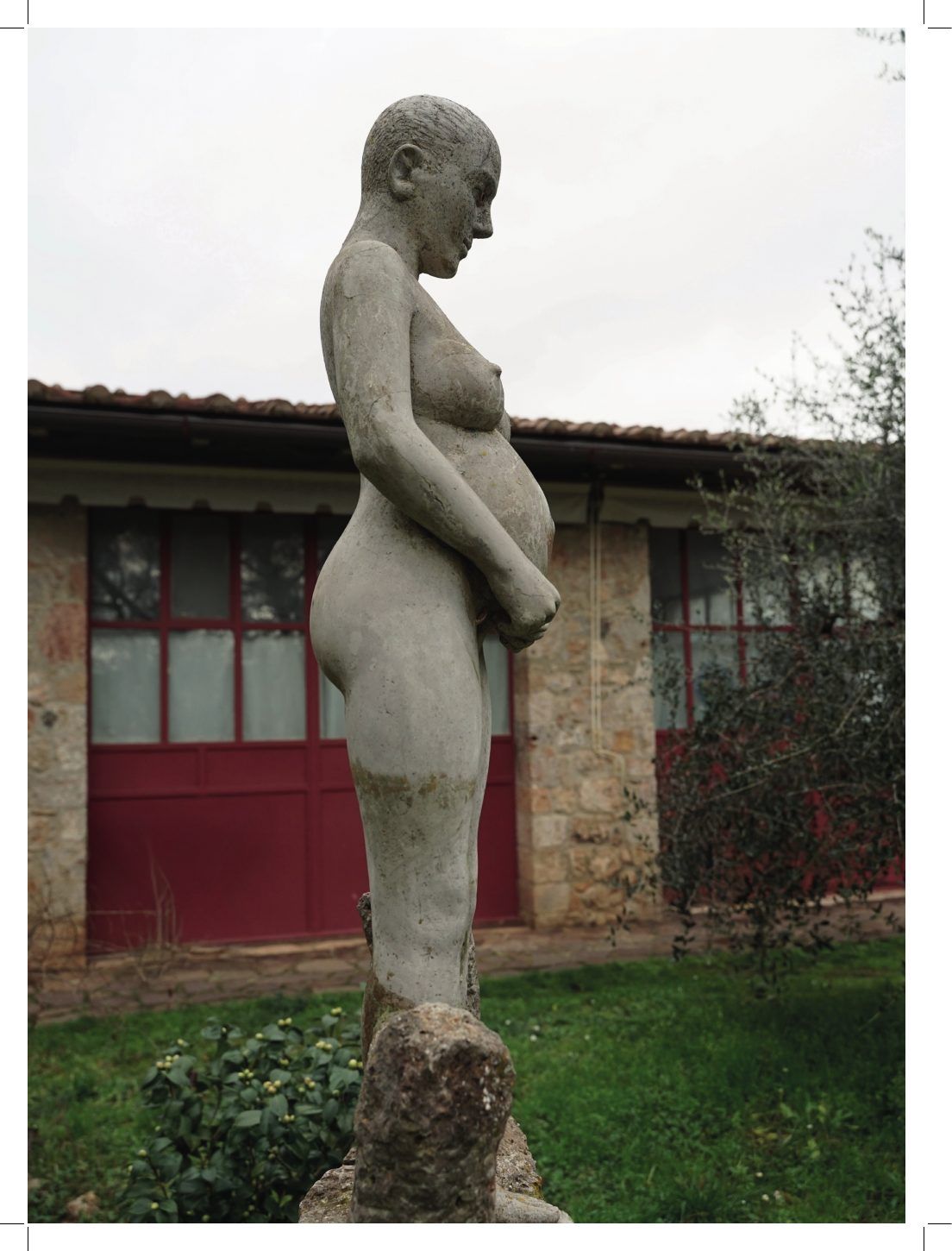
“He was working on it in 2017. He had not decided on the title, but it could have been The Roots of the World, showing the most important arts” (Lucia). Guerrino died while making this work. The point where he stopped is a man holding a chisel, working a fragment of raw marble that was never finished: it could be Guerrino himself.
Project made with Alessandro dell’Aquila and Livia Sorrentino.